Poets on Poetics: Introduction
Art appreciation begins with learned connoisseurs. Gaining breadth and vision with time, it develops into a well-structured system of aesthetics. Poets and arti...
After introducing the major characters, Śūdraka has gone on to describe the...
Let us have a look at the dialogues before and after this verse. A minor character expresses concern that Kālidāsa might lose face if his play is performed disr...
Unless poetry caters to people with varying tastes, it will not find a strong footing. It naturally follows that the poet should know the ways of the world well...
Kauśikī’s words of praise upon seeing Mālavikā perform are noteworthy. Her response is in the form of a verse, whose second half provides incredible insights in...
Abhijñānaśākuntala is one of the ripest fruits of Kālidāsa’s mature genius. The poet makes a candid confession in the prologue of this play: आ परितोषाद्...
Let us proceed to the sixth act of Abhijñānaśākuntala. Duṣyanta has made a painting of Śakuntalā. The vidūṣaka takes one look at it and exclaims: “Madhurāvasthā...
Über-human and sub-human characters do not produce rasa unless they are ‘humanized’ – this is a fundamental tenet of aesthetics. A great poet knows from experie...
The first relates to the word sampṛktau. The poet has preferred the rather rare word sampṛkti to the more common saṃyukti. Let us understand the nuances of thes...
Mallinātha has made some insightful observations in commenting on this verse. According to him, there were pictures in the mansion of various episodes from the...
After Kālidāsa, Bhāravi is perhaps the only poet who steered the ship of Sanskrit narrative poetry along a new route. Successive poets merely followed his lead....
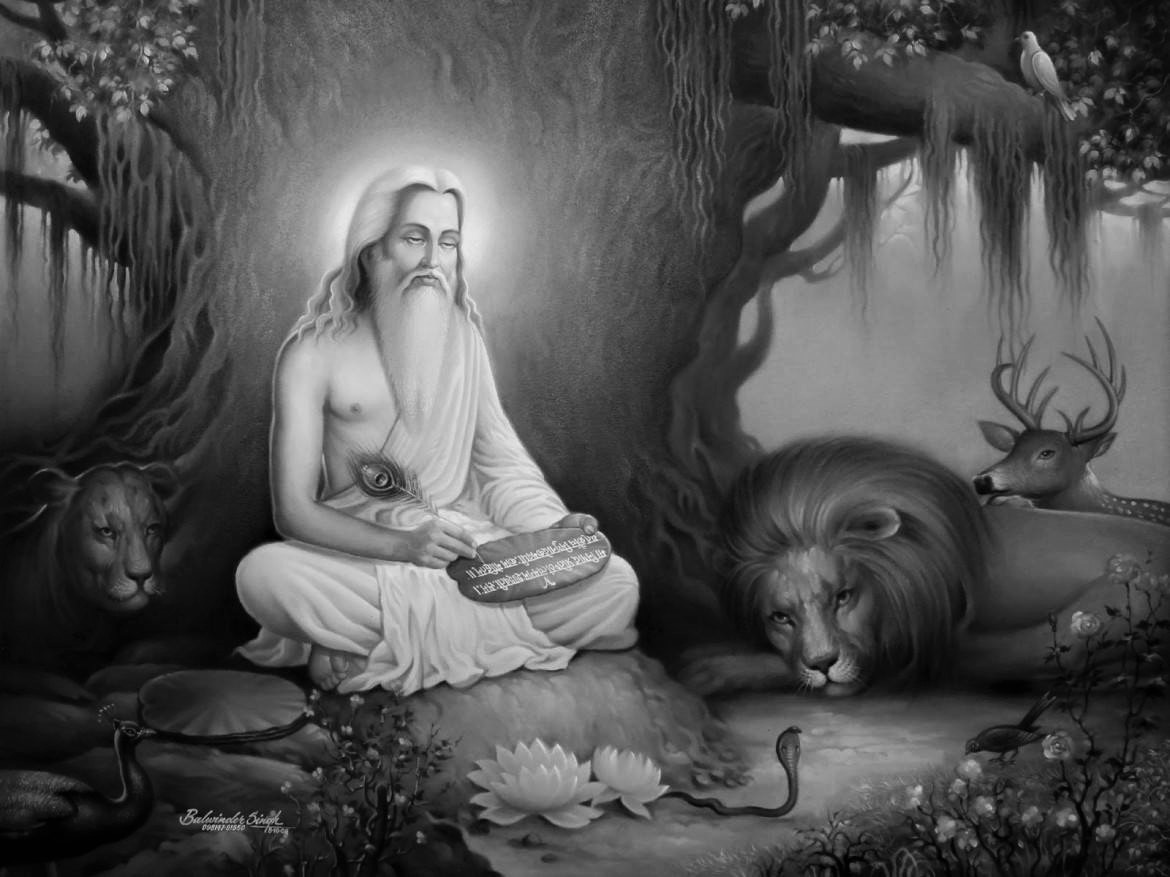
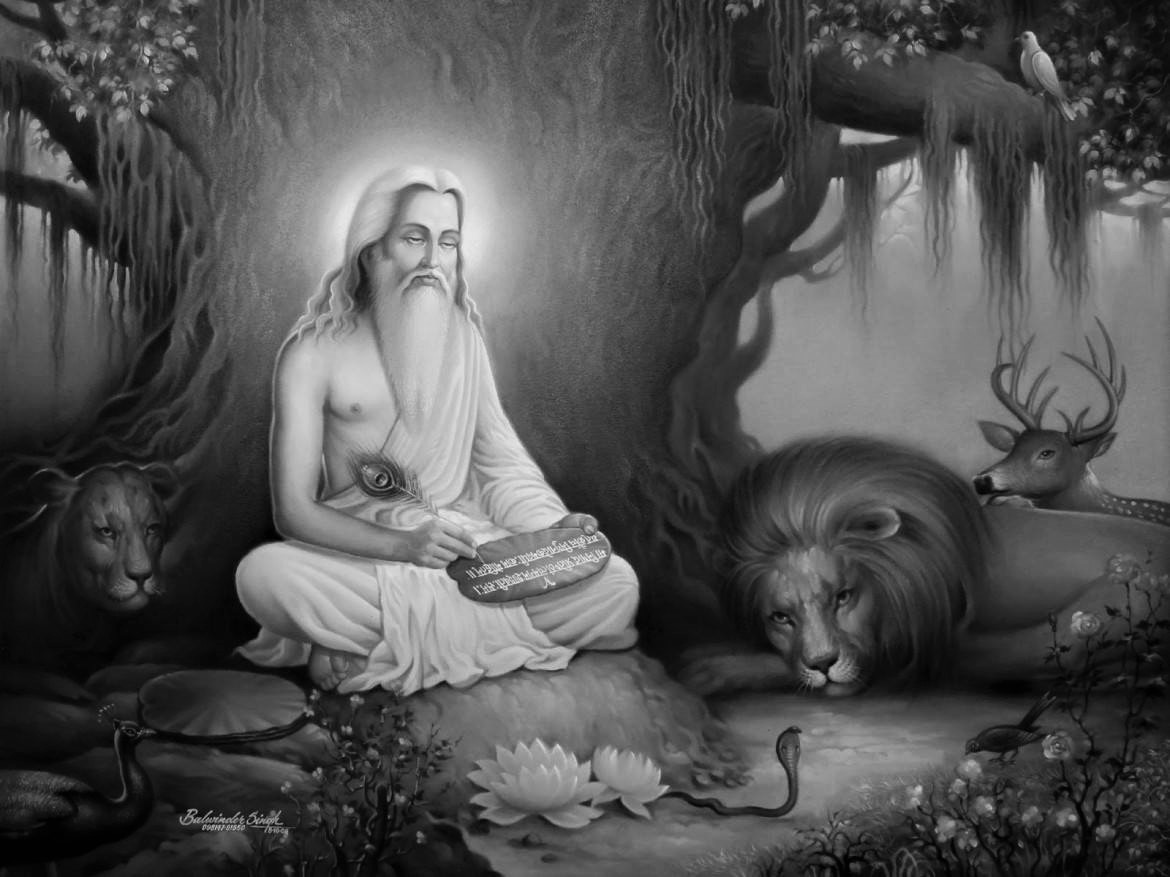
Maharṣi Vālmīki The story narrated in the first four cantos of the Rāmāyaṇa is of great significance to the central concepts of the creative process: poet, poe...