Bhāravi - 2
Bhāravi further refers to speech in the conversation between Indra and Arjuna: प्रसादरम्यमोजस्वि गरीयो लाघवान्वितम्। &...
Harṣavardhana has made a mark in the annals of Sanskrit literature with his three plays: Priyadarśikā, Ratnāvalī and Nāgānanda. Interestingly, the prologues of...
Bāṇabhaṭṭa Among the works written by the great poet Bāṇabhaṭṭa, it is only in Harṣacarita that we come across thoughts on literary aesthetics. Although the in...
Māgha In the second canto of Śiśupālavadha, the poet Māgha uses ideas from various sciences to support his arguments on polity. It is appropriate that he has i...
In the plays written by the great poet Bhavabhūti we find passages that not only reveal his personality and learning, but also his insights into literary aesthe...
Yaśovarmā, Bhavabhūti’s contemporary, is the author of the now-unavailable play, Rāmābhyudaya. Eminent aestheticians such as Ānandavardhana have held this work...
Jinasena, the author of Pūrvapurāṇa, hailed from Karnataka. He composed thi...
Bhallaṭa Bhallaṭa is best remembered as the poet who put the genre of anyokti (allegorical verses) on the map. He composed a century of verses and elevated thi...
Trivikrama-bhaṭṭa Among the ornate campū compositions available in Sanskrit, Nala-campū authored by Trivikrama-bhaṭṭa is the oldest. The author had a penchant...
Parimalapadmagupta Parimalapadmagupta or Parimalagupta is the author of the historical poem, Navasāhasāṅkacarita. This work describes the attainments of Sindhu...
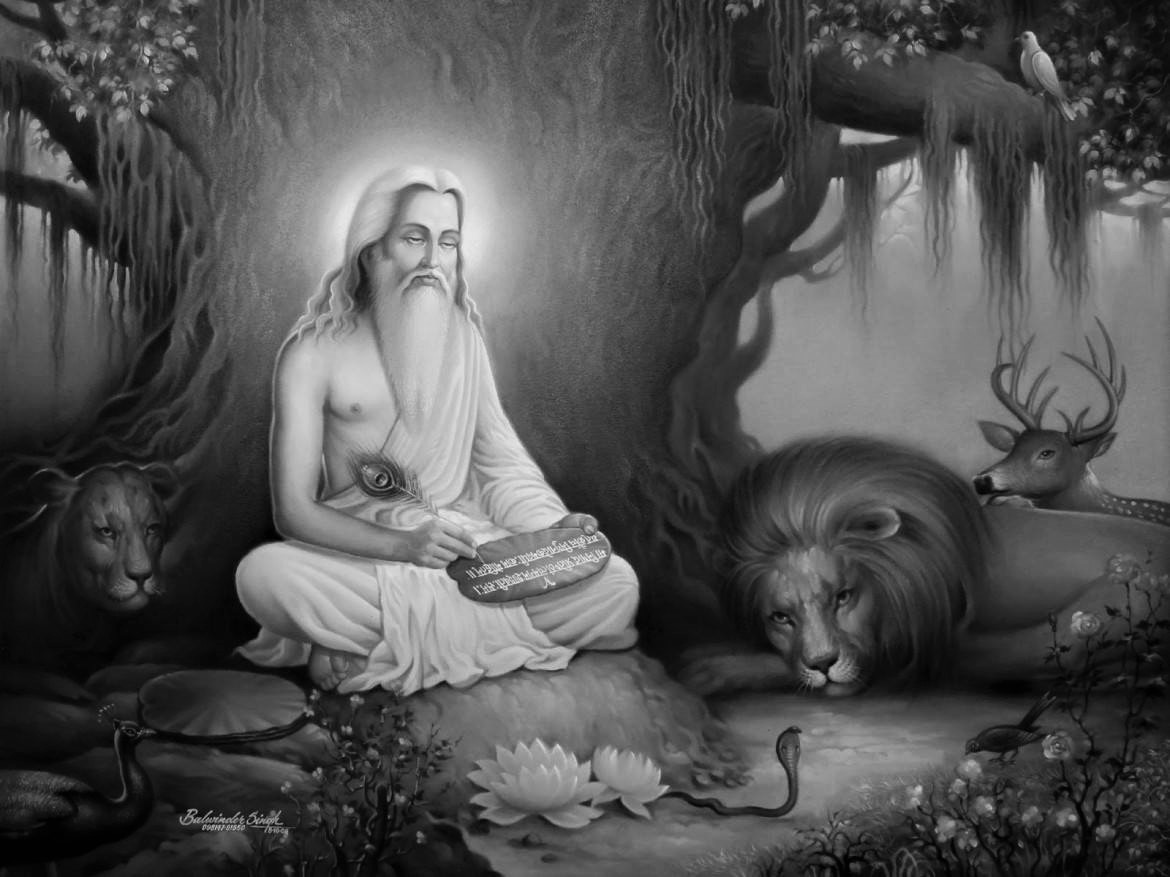
Vālmīki was absorbed in thoughts about his verse when Brahmā visited him: tadgatenaiva manasā vālmīkirdhyānamāsthitaḥ (1.2.28). He was tormented by the impropri...
Kṣemendra Kṣemendra was a man of many talents who straddled the realms of śāstra and kāvya. Although he composed several works in both these genres, his attain...