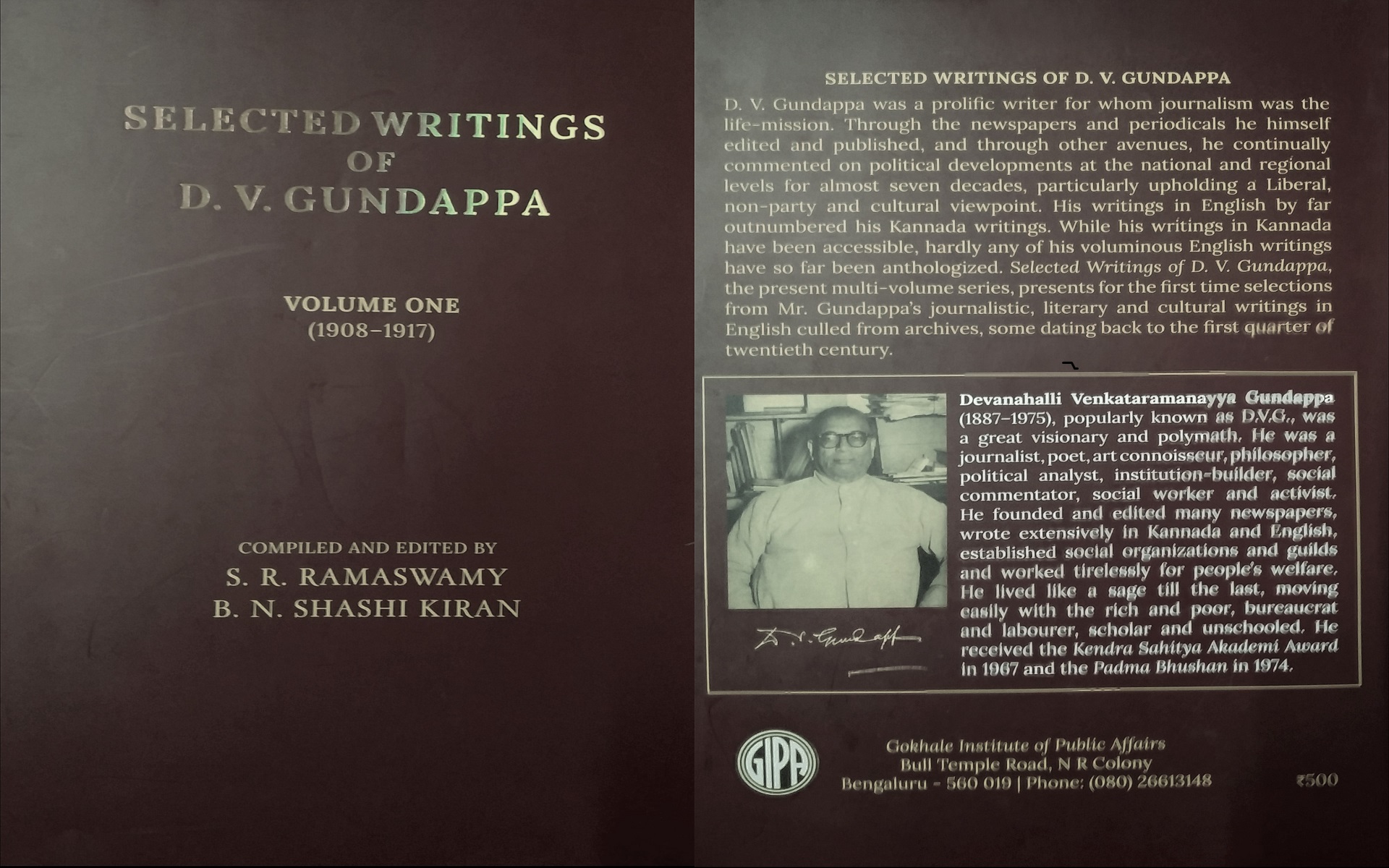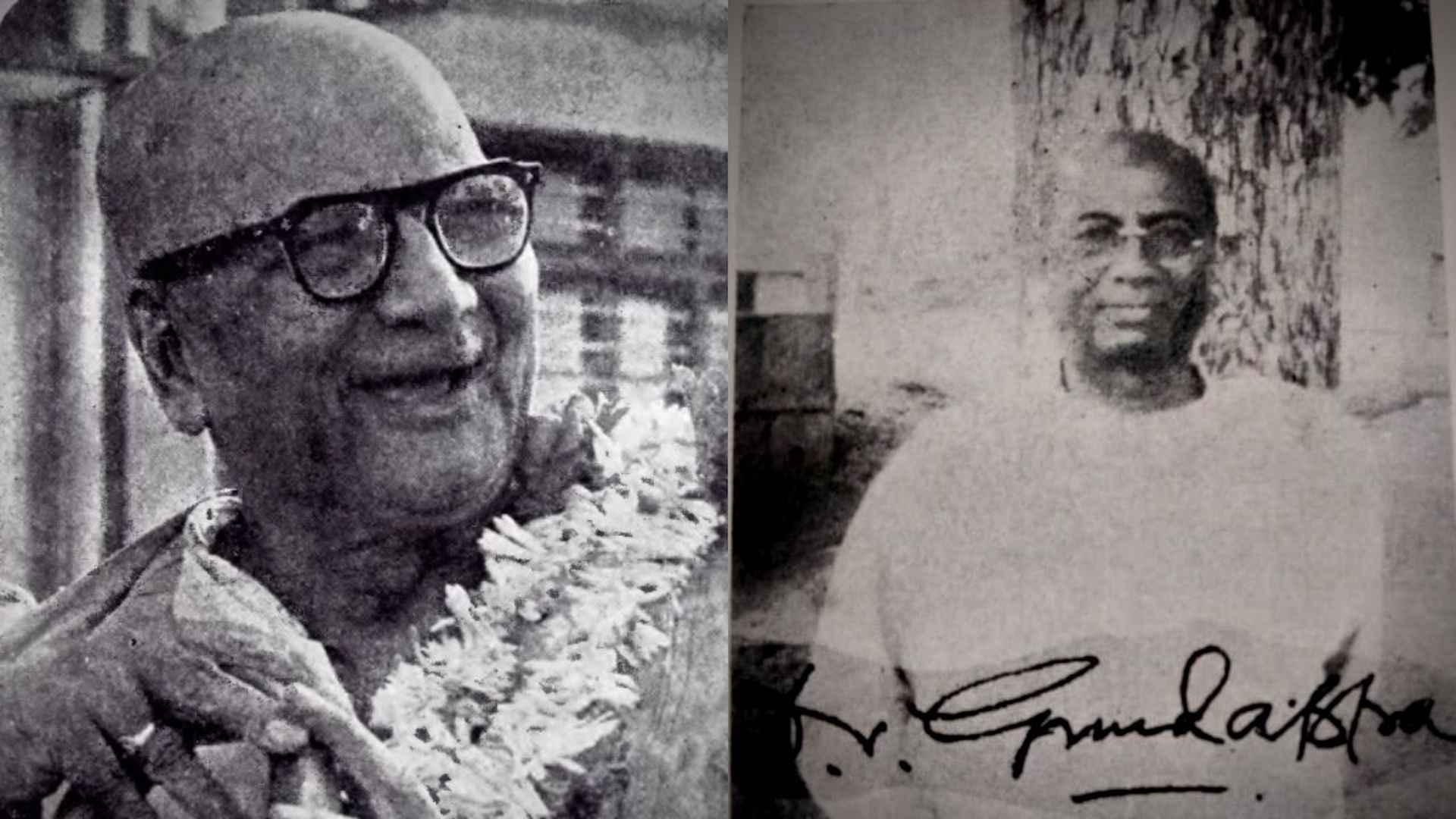
DVG through Letters - 3
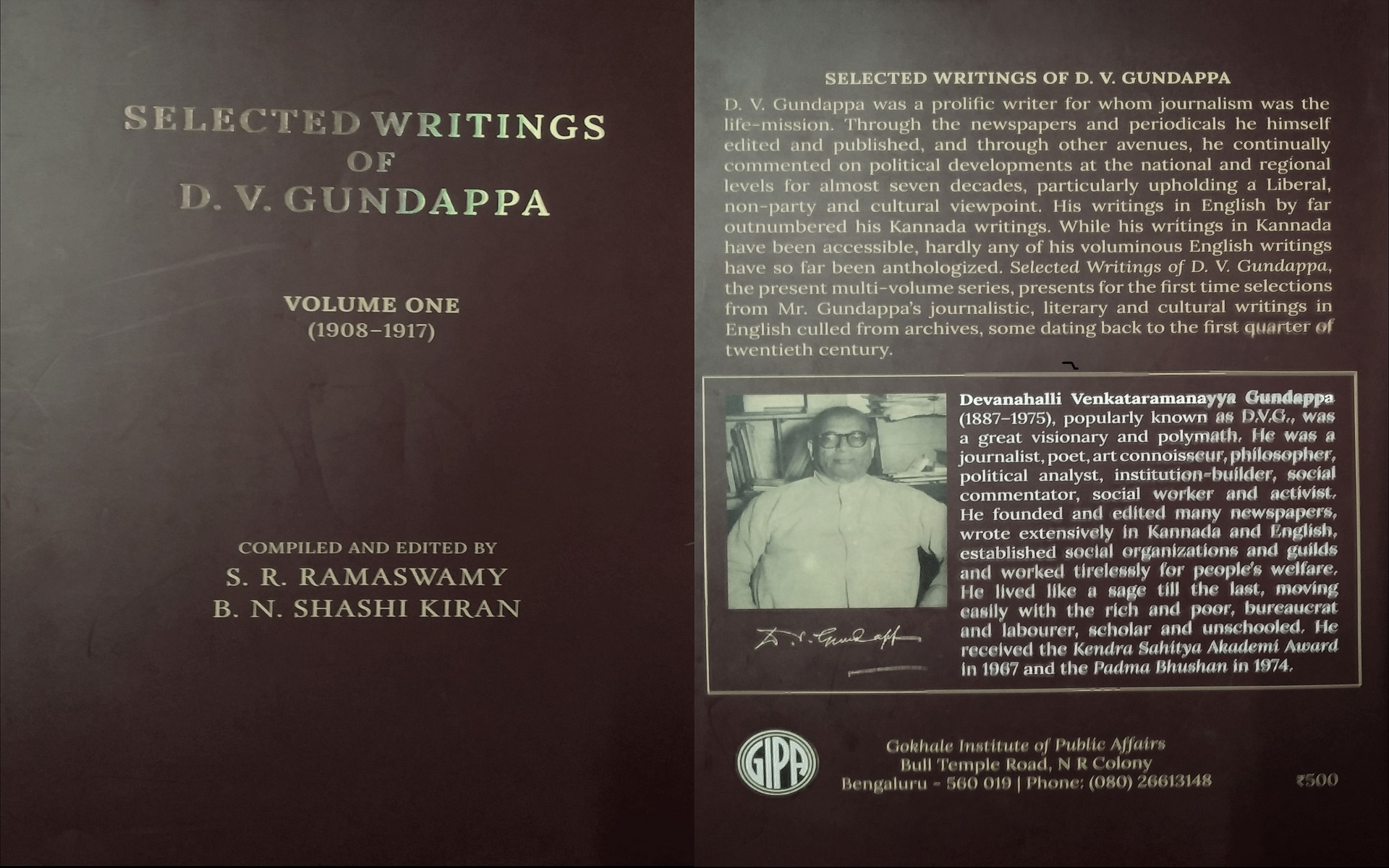
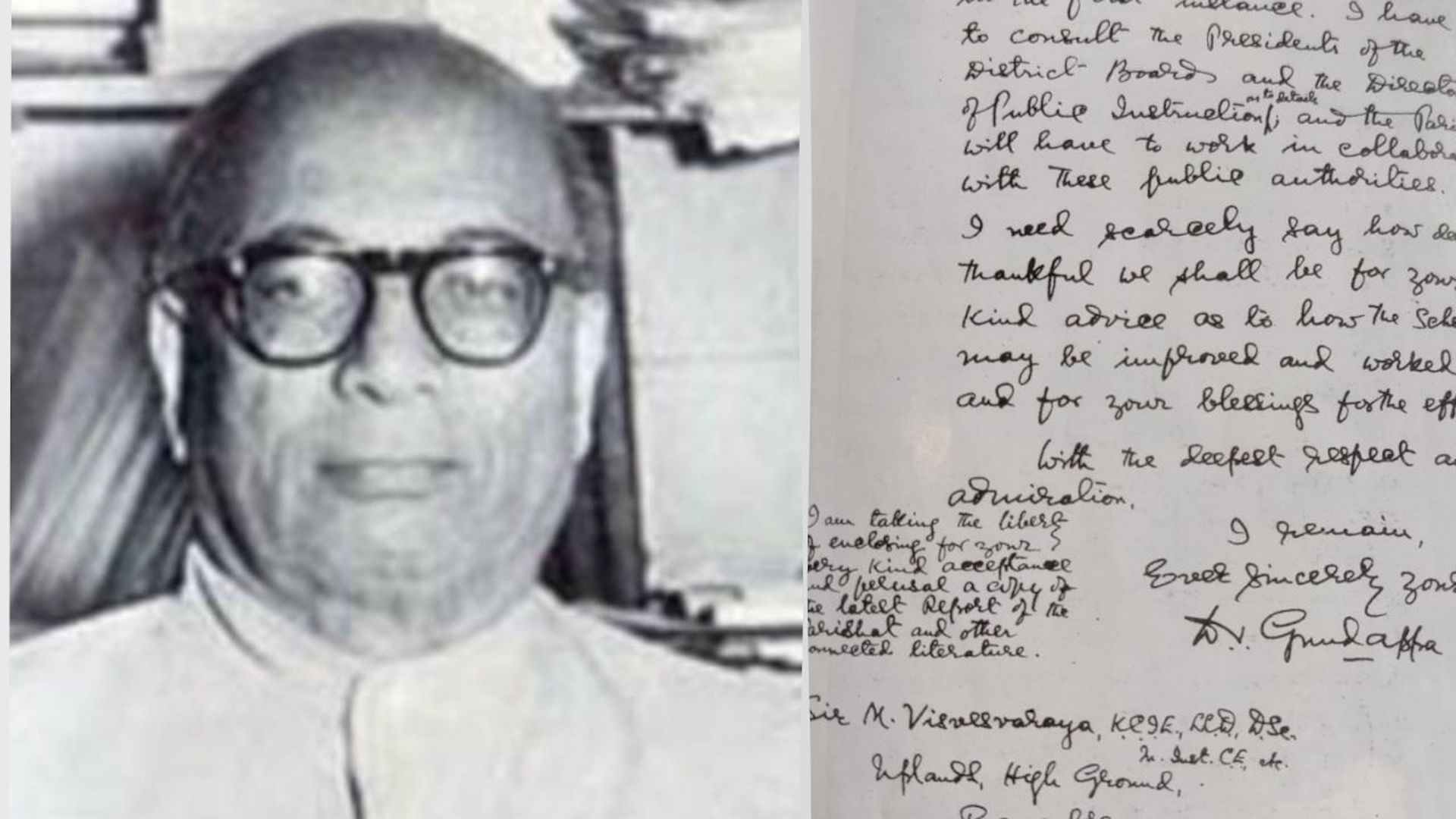
The letters also contain valuable discussions on grammar, stylistics and poetics. DVG the natural poet has occasionally composed entire letters in verse (K V Pu...
Shashi Kiran B N holds a bachelor’s degree in Mechanical Engineering and a master's degree in Sanskrit. His interests include Indian aesthetics, Hindu scriptures, Sanskrit and Kannada literature and philosophy.
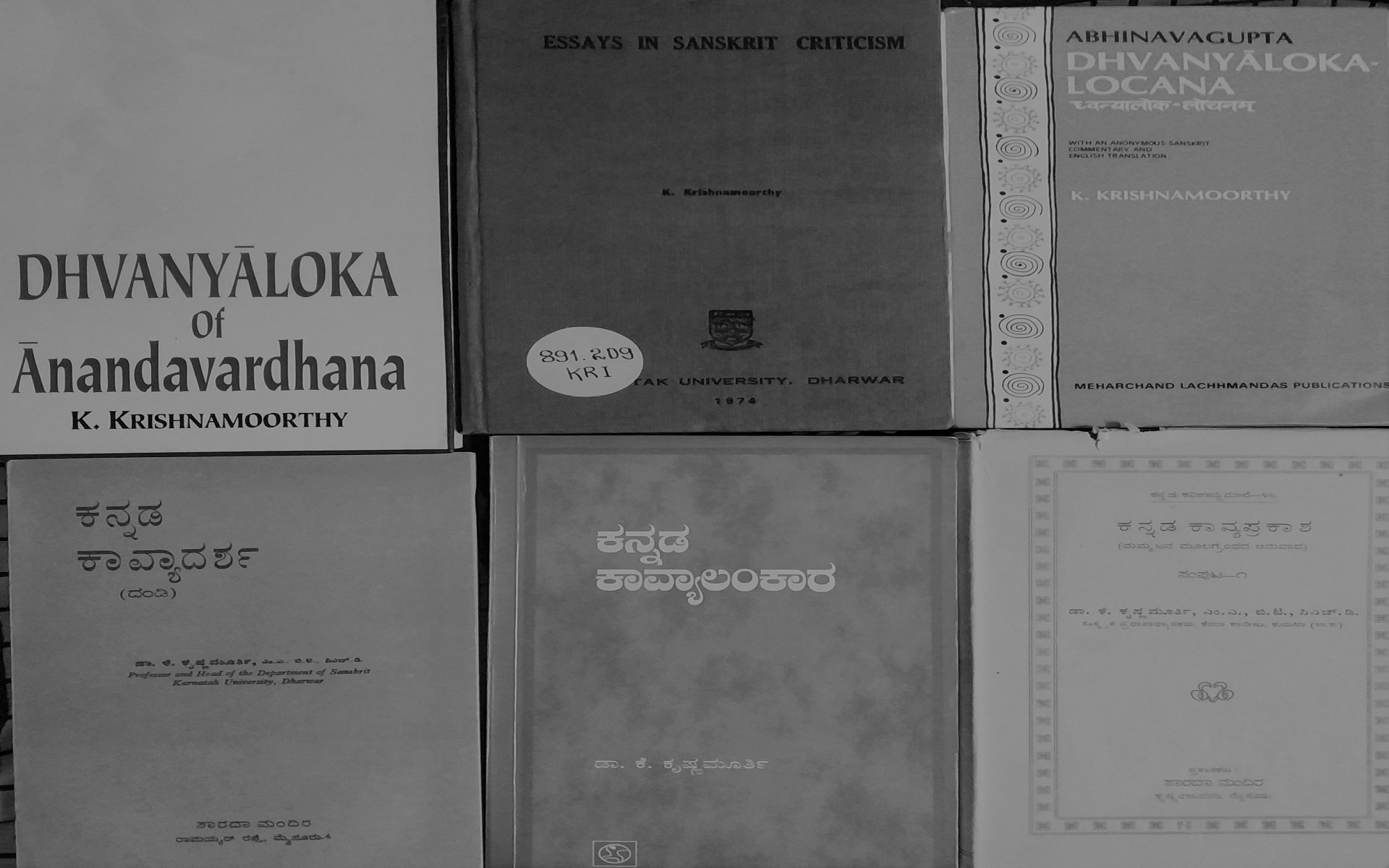
The letters also contain valuable discussions on grammar, stylistics and poetics. DVG the natural poet has occasionally composed entire letters in verse (K V Pu...
Let us look at a few instances that illustrate these traits. The self-effacing DVG protested against having a special issue of a literary magazine dedicated to...
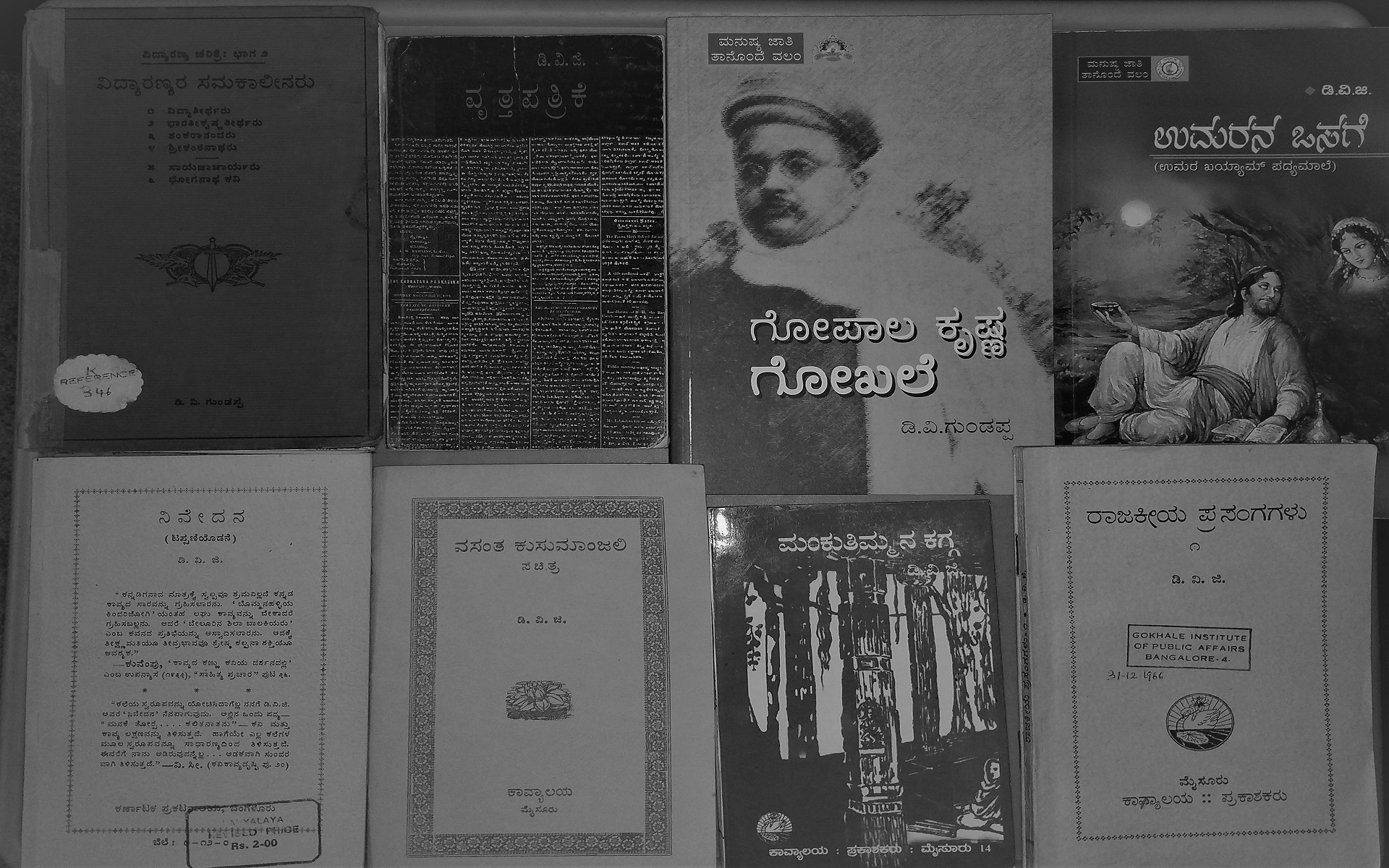
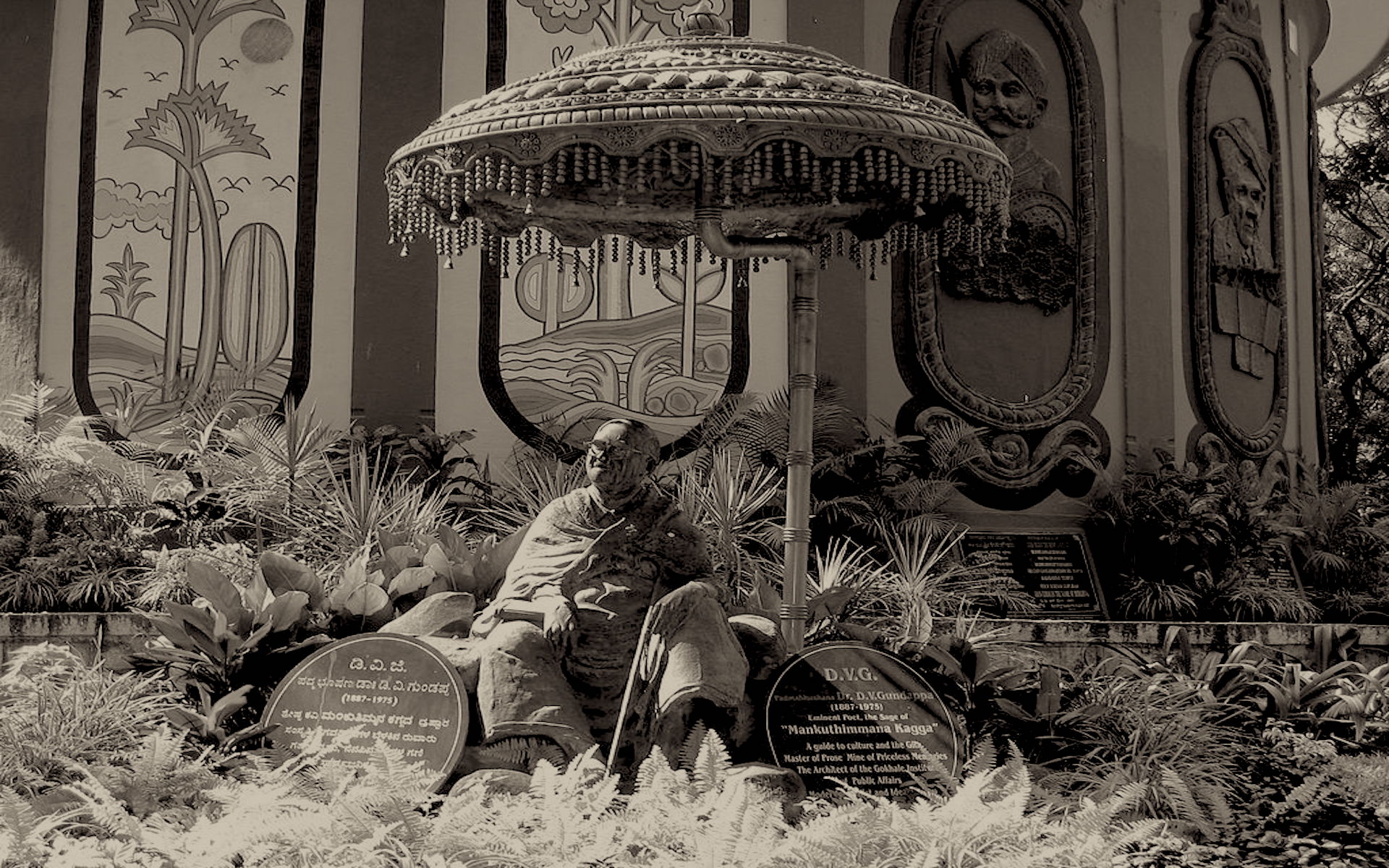
[The following forms the Editors’ Introduction to DVG through Letters, a volume published by the Gokhale Institute of Public Affairs, Bengaluru, to mark th...
ಈ ಲೇಖನವನ್ನು ಸಮಾಪ್ತಿಗೊಳಿಸುವ ಮುನ್ನ ಪ್ರಕೃತ ಗ್ರಂಥದ ಕಡೆಗೆ ಬಂದಿರುವ ವರ್ಣ ಹಾಗೂ ಮತತ್ರಯಸಮನ್ವಯಗಳ ಬಗೆಗೆ ಒಂದೆರಡು ಮಾತು ಹೇಳಬೇಕು. ಡಿ.ವಿ.ಜಿ. ಅವರ ವಿಚಾರ ಇಲ್ಲಿ ಕೊಂಚ ಕುಂಠಿ...
ಸ್ವೋಪಜ್ಞ ವ್ಯಾಖ್ಯೆ ಡಿ.ವಿ.ಜಿ. ಅವರು ಸ್ವಯಂ ಒಬ್ಬ ಶ್ರೇಷ್ಠ ದಾರ್ಶನಿಕರಾದ ಕಾರಣ ಎಷ್ಟೋ ಪಾರಂಪರಿಕ ತತ್ತ್ವಗಳಿಗೆ ಅವರು ತಮ್ಮದೇ ಆದ ವಿಶಿಷ್ಟ ವ್ಯಾಖ್ಯೆಗಳನ್ನು ಒದಗಿಸಿದ್ದಾರೆ. ಸಂಸ್ಕೃತಭಾಷೆ...
ಸೂಚನೆ, ಸಾರಾಂಶ, ಸಂಗ್ರಹ ಡಿ.ವಿ.ಜಿ. ಅವರ ಮನಸ್ಸು ಸದಾ ಸಾರಗ್ರಹಣದತ್ತ ಲಗ್ನವಾಗಿರುವಂಥದ್ದು. ಹೀಗೆ ಗ್ರಹಿಸಿದ ಸಾರವನ್ನು ಸ್ಪಷ್ಟವಾಗಿ, ಸ್ಮರಣೀಯವಾಗಿ, ಸುಂದರವಾಗಿ ಹೇಳುವಲ್ಲಿ ಅವರ ಕಾವ್ಯ-ಶಾ...
ಕೃತಿವೈಶಿಷ್ಟ್ಯ ಹೀಗೆ ಡಿ.ವಿ.ಜಿ. ಅವರು ರಚಿಸಿದ ‘ಜೀವನಧರ್ಮಯೋಗ’ ಒಂದು ಅಪೂರ್ವ ಕೃತಿ. ಸಾಂಪ್ರದಾಯಿಕ ವಾಙ್ಮಯವನ್ನು ನಮ್ಮ ಕಾಲಕ್ಕೆ ತಕ್ಕಂತೆ ಅನ್ವಯಿಸಿ ವ್ಯಾಖ್ಯಾನಿಸುವುದು ಅವರ ಸಾಹಿತ್ಯಸೃಷ್...
ಪ್ರಾಣಿಗಳಿಗಿಂತ ವಿಶಿಷ್ಟವಾದ ಆಲೋಚನಸಾಮರ್ಥ್ಯವನ್ನು ಹೊಂದಿರುವ ಮಾನವನಿಗೆ ತನ್ನ ಸ್ವರೂಪವೇನು, ತಾನು ವ್ಯವಹರಿಸುವ ಜಗತ್ತಿನ ಜಾಡು ಎಂಥದ್ದು, ತನಗೂ ಜಗತ್ತಿಗೂ ಇರುವ ಸಂಬಂಧ ಯಾವ ತೆರನಾದುದು, ಈ ಸ...
४.७. अलङ्कारसुधानिधेः सारः शास्त्रपरम्परायां तत्स्थानं च सायणाचार्यविरचितः अलङ्कारसुधानिधिः ध्वन्यालोकं पुरस्कृत्य काव्यप्रकाशम् अनुसृत्य च काव्यमीमांसायाः प्...
४.६. उदाहरणपद्यानि भोगनाथविरचितानि उदाहरणपद्यानि सायणाचार्यविजयनगरसाम्राज्यसम्बद्धानेकविषयस्फोरकाणीति प्रागेव प्रत्यपादि। अत्र विप्रतिपद्यमानाः केचिदाचक्षीरन्—...
४.२. गुणदोषौ शरीरगताः शौर्यादयो गुणा आत्मानमिव काव्यशरीरगताः प्रसादादयो गुणाः काव्यात्मानं रसम् उत्कर्षयन्ति— शौर्यादय इवात्मानं ये धर्मा अङ्गिनं रसम्। उ...
४. ग्रन्थविस्तरः तद्विमर्शश्च ग्रन्थेऽस्मिन् प्रतिपादितानि शास्त्रप्रमेयाणि विषयानुक्रमण्यां साकल्येन निरूपितानि। अत्र केवलं केचन विशिष्टा विषयाः सङ्गृह्य प्रत...
३. अलङ्कारसुधानिधेः स्वरूपं तत्कर्तृत्वं च यदा हि उपात्तविद्यो द्वितीयः सङ्गमः स्वयं राज्यधुराम् अवोढ तदा सारस्वतानि कार्याणि निर्वर्तयितुं सायणाचार्येण पर्याप...
२. रचयिता २.१. अन्वयो गुरवश्च सायणाचार्यः कर्णाटमध्यूषुषोः विप्रदम्पत्योः श्रीमती-मायणयोः पुत्रत्वेन जज्ञे। स हि कुलधनमिव बिभ्राणः श्रौतं तेजः गोत्रेण भारद्वा...
अलङ्कारसुधानिधिः श्रौत्रार्हन्तीचणेन वेदभाष्यकृता तत्रभवता श्रीसायणाचार्येण विरचितो ग्रन्थः। काव्यमीमांसां विशदयतानेन कारिका-वृत्ति-उदाहरणपद्यात्मकः साम्प्रदायि...
‘ಪುರುಷಸರಸ್ವತಿ’ (ವಿ.ಸೀ. ಸಂಪದ, ಬೆಂಗಳೂರು, ೧೯೯೪) ಸಣ್ಣದಾದರೂ ಹಿರಿದಾದ ಕೃತಿ. ಕೇವಲ ಐವತ್ತು ಪುಟಗಳ ಒಳಗೆ ಕರ್ಣಾಟಾಂಧ್ರಸವ್ಯಸಾಚಿ ರಾಳ್ಲಪಲ್ಲಿ ಅನಂತಕೃಷ್ಣಶರ್ಮರ ಸ್ಫಟಿಕೋಪಮ ಜೀವನವನ್ನು ಕಟ...
ಅಳಿಯದೆ ಉಳಿಯಬೇಕೆಂಬ ಬಯಕೆ ಒಂದಲ್ಲ ಒಂದು ರೂಪದಲ್ಲಿ ನಮ್ಮಲ್ಲೆಲ್ಲ ಇರುತ್ತದೆ. ಆದರೆ ಏನು ಮಾಡುವುದು, ಮಾನವರು ಮರ್ತ್ಯರು; ಶಾಶ್ವತತೆ ನಮ್ಮ ಹಣೆಯಲ್ಲಿ ಬರೆದಿಲ್ಲ. ಎಷ್ಟೋ ಬಾರಿ ವ್ಯಕ್ತಿಗಳು ಗತಿ...
One of the highlights of this volume is the longform titled The Code of Manu. DVG firmly believed that (i) tradition and modernity are mutually complementary (i...
As with Visvesvaraya, DVG enjoyed close contact with another Dewan of Mysore, Sir Mirza Ismail. DVG’s writings on him, too, present a wealth of insight rarely a...
Volume Seven (1957–1960) DVG’s literary output in the 1950s—both in English and Kannada—was staggering. After retiring from active public life, he gave himself...
An important segment in the present volume is a set of articles that narrates and analyses the political-reform movement led by Jayaprakash Narayan. In these es...
Like all conscientious citizens endowed with intellectual integrity, DVG was a caustic critic of the Indira Gandhi Government. He repeatedly pointed out the uns...
Book reviews were a constant feature in all the journals DVG edited and published. He either reviewed himself or, if he happened to spot a well-written piece, h...
Gokhale Institute of Public Affairs, an organization DVG built and nurtured, has made quiet but sustained efforts to educate people in all matters of collective...
Volume Eight (1963–1967) Readers of these volumes would surely know that DVG looked upon life as an undivided whole. This worldview enabled him to celebrate th...
ಕಾವ್ಯಾನುಶಾಸನದ ಕೆಲವು ವೈಶಿಷ್ಟ್ಯಗಳು ಗ್ರಂಥಗತ ವಿಷಯಗಳನ್ನು ಪರಿಚಯಿಸಿಕೊಂಡ ಬಳಿಕ ಇಲ್ಲಿಯ ಕೆಲವು ವೈಶಿಷ್ಟ್ಯಗಳನ್ನೂ ಅಲಂಕಾರಶಾಸ್ತ್ರದಲ್ಲಿ ಇದರ ಸ್ಥಾನವನ್ನೂ ಅರಿಯಲು ತೊಡಗಬಹುದು. ಹೇಮಚಂದ್...
ಜ್ಞಾನಕ್ಕೆ ಯಾವುದೇ ಎಲ್ಲೆ ಇಲ್ಲ. ಅದರಲ್ಲಿ ಪ್ರತ್ಯೇಕ ವಿಭಾಗಗಳನ್ನು ಕಲ್ಪಿಸುವುದು ನಮ್ಮ ಅನುಕೂಲತೆಗಾಗಿ, ನಮ್ಮ ಇತಿ-ಮಿತಿಗಳಿಗೆ ಅನುಸಾರವಾಗಿ. ಲೋಕಸಾಮಾನ್ಯದ ಸ್ಥಿತಿ ಹೀಗಿದ್ದರೂ ಕೆಲವರು ಮಹನೀ...
Dr. Ganesh is a noted scholar of Indian aesthetics. Apart from studying a staggering number of works in this discipline, he has conceived original ideas, unknot...
Vanitākavitotsavaḥ is a unique Sanskrit play written by Śatāvadhānī Dr. R Ganesh, an eminent contemporary poet. As the title indicates, it is a celebration of p...
4.7.4. Benevolence Sāyaṇācārya never turned away people who sought refuge in him. If a band of poets walked barefoot on gravel to seek his patronage, he would...
4.7. Illustrative Verses As we have observed previously, the illustrative verses composed by Bhoganātha are of inestimable value to understand Sāyaṇācārya’s pe...
4.5. Dhvani As a devout follower of Ānandavardhana, Sāyaṇācārya accepts three śabda-vṛttis: abhidhā, lakṣaṇā and vyañjanā. He does not admit tātparya: तात्...
Let us now examine some of the salient features of Poetics expounded by Alaṅkāra-sudhānidhi. 4.2. Poet and Poetry The Indian aesthetic tradition holds rasa as...
3. Nature of the Text, Authorship Problems In section 2.2 we have observed that Sāyaṇācārya stayed in Udayagiri and acted as the minister to Kampaṇa I and Saṅg...
2. The Author 2.1. Lineage, Teachers Sāyaṇācārya was the second son of a pious brāhmaṇa couple, Śrīmatī and Māyaṇa. He belonged to the Bhāradvāja-gotra, Bodh...
[We take great pleasure in commencing a series on Alaṅkāra-sudhānidhi, a Sanskrit treatise on Poetics authored by Sāyaṇācārya. The text is critically edited for...
‘ಜಲಪಾತ’ದಲ್ಲಿ ಸಹ್ಯಾದ್ರಿಶ್ರೇಣಿಯ ಖಂಡಾಲಘಾಟ್ನ ಭವ್ಯವಾದ ವರ್ಣನೆಯಿದೆ. ಸೃಷ್ಟಿಶೀಲತೆಯ ಬಹುಸೂಕ್ಷ್ಮ ಆಯಾಮಗಳನ್ನು ಕಲೆ, ಪ್ರಕೃತಿ, ಸಂಸ್ಕೃತಿ, ಮಾನವಜೀವನವೇ ಮುಂತಾದ ಮಾಧ್ಯಮಗಳ ಮೂಲಕ ಚಿತ್ರಿಸ...
ಸಂಸ್ಕೃತದಲ್ಲಿ ಬೆಟ್ಟವನ್ನು ಸೂಚಿಸುವ ಹಲವು ಪದಗಳಿವೆ. ಮಹೀಧ್ರ, ಶಿಖರಿ, ಅಹಾರ್ಯ, ಪರ್ವತ, ಗೋತ್ರ, ಅಚಲ, ಶಿಲೋಚ್ಚಯ ಎಂಬುವನ್ನು ಪ್ರಾತಿನಿಧಿಕವಾಗಿ ಪರಿಗಣಿಸಿದರೆ ಭೂಮಿಯನ್ನು ತಳೆದಿರುವುದು, ಉನ...
ಪಾತ್ರ-ಘಟನೆಗಳಿಗೆ ತಕ್ಕಂತೆ ಭಾಷೆ ಬಳಕೆಗೊಂಡಿದೆ. ಅಭಿಜಾತ ಇತಿವೃತ್ತಗಳ ಬಣ್ಣನೆಯೇ ಆದ್ಯಂತ ಇರುವುದರಿಂದ ಅದಕ್ಕೆ ತಕ್ಕಂತೆ ಇಲ್ಲಿಯ ಭಾಷೆ ಶಿಷ್ಟ, ಸುಭಗ ಮತ್ತು ಕಾವ್ಯಾತ್ಮಕವಾಗಿದೆ. ಇನ್ನು ಸನ್ನ...
ಶತಾವಧಾನಿ ಡಾ|| ಆರ್. ಗಣೇಶರು ರಚಿಸಿರುವ ಹತ್ತು ಸಣ್ಣಕತೆಗಳ ಸಂಕಲನ ‘ಪುಟಗಳ ನಡುವಣ ನವಿಲುಗರಿ’. ಇದರ ಬಣ್ಣಗಳ ಬೆಡಗನ್ನು ಇಲ್ಲಿಯದೇ ನೂರಾರು ಕಣ್ಣುಗಳ ಮೂಲಕ ಓದುಗರಿಗೆ ಕಾಣಿಸಿಕೊಡುವ ಯತ್ನ ಸದ್ಯ...
ಜಗತ್ತಿನಲ್ಲಿ ನಮ್ಮ ಇರವೆಂಬ ಭವಕ್ಕೆ ಸಂಬಂಧಿಸಿದ್ದು ಭಾವ. ಮಾನವನ ನಿಜವಾದ ಗುರುತು ಭಾವವೇ; ಭಾವ ಉಳ್ಳವನು ಎಂಬುದೇ ಅವನ ಸರಿಯಾದ ಲಕ್ಷಣ. ವೈಯಕ್ತಿಕ ಇಷ್ಟಾನಿಷ್ಟಗಳಿಂದ ರೂಪುಗೊಳ್ಳುವ ಭಾವಗಳು ಸ್ವ...
ವಿಮರ್ಶೆ ಕಾವ್ಯಮೀಮಾಂಸೆಯ ಕೆಲವು ಮೂಲಭೂತ ಪ್ರಮೇಯಗಳನ್ನು ಮೇಲ್ಕಾಣಿಸಿದಂತೆ ನಿರೂಪಿಸಿರುವ ಕುವೆಂಪು ಅವುಗಳನ್ನು ಅನ್ವಯಿಸಿ ಪ್ರಾಯೋಗಿಕವಾಗಿಯೂ ತೌಲನಿಕವಾಗಿಯೂ ಕಾವ್ಯಗಳನ್ನು ವಿಮರ್ಶಿಸಿದ್ದಾರೆ....
ಪ್ರತಿಕೃತಿ, ಪ್ರತಿಮಾ ಸಾಹಿತ್ಯವೇ ಮೊದಲಾದ ಸಕಲ ಕಲೆಗಳಲ್ಲಿ ಸತ್ಯವು ಮೈದೋರುವ ಎರಡು ವಿಧಾನಗಳನ್ನು ಪುಟ್ಟಪ್ಪನವರು ಪ್ರತಿಕೃತಿ ಮತ್ತು ಪ್ರತಿಮಾ ಎಂದು ಹೆಸರಿಸಿದ್ದಾರೆ. ಅವರ ಪ್ರಕಾರ “ಇದ್ದುದನ್...
ಭಾವ, ರಸ ಭಾವವನ್ನು ಕಾವ್ಯದ ಮೂಲವೆಂದು ಗಣಿಸುವ ಕುವೆಂಪು ಅದನ್ನು ಐದು ತಲೆಕಟ್ಟುಗಳಲ್ಲಿ ಗಮನಿಸಬೇಕೆನ್ನುತ್ತಾರೆ. ಅವು: (೧) ಔಚಿತ್ಯ, (೨) ಸ್ಫುಟತ್ವ, (೩) ಸ್ಥಾಯಿತ್ವ, (೪) ವೈವಿಧ್ಯ ಮತ್ತು...
ಕಾವ್ಯ “ಕವಿಯ ರಸಾನುಭವದ ಅನುಭಾವವೇ ಕಾವ್ಯ”[1] - ಇದು ಪುಟ್ಟಪ್ಪನವರ ಕಾವ್ಯಲಕ್ಷಣ. ಅನುಭಾವಕ್ಕೆ ‘ಪ್ರದರ್ಶನ’ವೆಂದು ಅರ್ಥ ಮಾಡುವ ಅವರು ಕಾವ್ಯಕ್ರಿಯೆಯ ಕೇಂದ್ರದಲ್ಲಿ ರಸವನ್ನಿರಿಸಿರುವುದು ಸಮು...
ಕವಿ ಆಧುನಿಕ ಕವಿಗೆ ತನ್ನ ಮತ್ತು ಇತರ ನೆಲೆಗಳ ಸಂಪ್ರದಾಯದ ಅರಿವು, ಮತಾಚಾರಗಳಲ್ಲಿ ಸೀಮಿತತೆಯನ್ನು ಮೀರುವ ದೃಷ್ಟಿ, ದರ್ಶನಶಾಸ್ತ್ರ ಮತ್ತು ಮನಃಶಾಸ್ತ್ರದ ಪರಿಜ್ಞಾನ, ಬದಲಾಗುತ್ತಿರುವ ಜಾಗತಿಕ ಸ...
ಭೂಮಿಕೆ ಆಧುನಿಕ ಕನ್ನಡ ಕಂಡಿರುವ ಒಳ್ಳೆಯ ಕವಿಗಳಲ್ಲಿ ಕುವೆಂಪು ಅಗ್ರಮಾನ್ಯರು. ಅವರು ತಮ್ಮ ಪ್ರಕೃತಿಭವ್ಯ ಪ್ರತಿಭಾಪ್ರಭಾವದಿಂದ ರಸಭಾಸ್ವರ ಕಾವ್ಯಗಳನ್ನು ಸೃಜಿಸಿ ನಮ್ಮ ನುಡಿಯ ಕಳೆಯೇರಿಸಿದರು....
ಕಾದಂಬರಿಗಳ ಪೌರಾಣಿಕ ಪರ್ಯಾವರಣವನ್ನು ಪುಷ್ಟಿಗೊಳಿಸುವಂತೆ ಅನೇಕ ಪ್ರಸಂಗಗಳು ರೂಪಿತವಾಗಿವೆ. ರುದ್ರಸಾಕ್ಷಾತ್ಕಾರ, ಆಪೋದೇವಿಯರ ದರ್ಶನ, ತ್ರಿಶಂಕುವಿನ ದಿವ್ಯದೇಹನಿರ್ಮಾಣ (‘ಮಹಾಬ್ರಾಹ್ಮಣ’), ಬ್ರ...
अवस्थात्रयम् इह खलु सप्राणैः सर्वैरपि जाग्रत्-स्वप्न-सुषुप्तिसञ्ज्ञाः तिस्रोऽवस्थाः प्रत्यहम् अनुभूयन्ते। जाग्रति स्वप्ने च यो भेदः सुतराम् अनुभूयते स सुषुप्तौ...
ದೇವುಡು ನರಸಿಂಹಶಾಸ್ತ್ರಿಗಳು ರಚಿಸಿದ ‘ಮಹಾಬ್ರಾಹ್ಮಣ,’ ‘ಮಹಾಕ್ಷತ್ರಿಯ’ ಮತ್ತು ‘ಮಹಾದರ್ಶನ’ ಎಂಬ ‘ಮಹಾತ್ರಯ’ದ ಪ್ರಸ್ತಾವ ಬಂದಾಗಲೆಲ್ಲ ವೇದಮಂತ್ರವೊಂದರ ಭಾಗ ನನಗೆ ನೆನಪಾಗುತ್ತದೆ - “ಮಹೋ ದೇವೋ...
ಪಾರ್ವತಿ. ಇವಳೂ ಜವರಾಯಿಯಂತೆ ಜೀವನದ ಬಗೆಗೆ ಆಸ್ಥೆಯುಳ್ಳವಳು. ಯಾವ ಕೆಲಸ ಮಾಡಿದರೂ ಅದರಲ್ಲಿ ಒಪ್ಪ-ಓರಣ ಇರುವಂತೆ ನೋಡಿಕೊಳ್ಳುವ ಮನೋಭಾವದವಳು. ಈಕೆಯನ್ನು ಹುಟ್ಟು-ಸಾವುಗಳಿಗೆ ಹತ್ತಿರವಿರುವ ನರ್ಸ...
ಕಾಳಪ್ಪ. ಇವನ ಹೆಸರು ಯಮಧರ್ಮನ ಸಂಕೇತವೂ ಹೌದು, ಕಾಲದ ಸಂಕೇತವೂ ಹೌದು. ಸದಾ ದೇಶ-ವಿದೇಶಗಳಲ್ಲಿ ತಿರುಗಾಡುವ ವೃತ್ತಿಪರನನ್ನಾಗಿ ಕಾಳಪ್ಪನನ್ನು ಚಿತ್ರಿಸುವ ಮೂಲಕ ಭೈರಪ್ಪನವರು ಕಾಲದ ಚಲನಶೀಲತೆಯನ್ನ...
ಭೂಮಿಕೆ ಮಾಸರ್ತುದರ್ವೀಪರಿಘಟ್ಟನೇನ ಸೂರ್ಯಾಗ್ನಿನಾ ರಾತ್ರಿದಿವೇಂಧನೇನ | ಅಸ್ಮಿನ್ಮಹಾಮೋಹಮಯೇ ಕಟಾಹೇ ಭೂತಾನಿ ಕಾಲಃ ಪಚತೀತಿ ವಾರ್ತಾ || ಮಹಾಭಾರತದಲ್ಲಿ ಯಕ್ಷ “ಏನು ವಾರ್ತೆ?” ಎಂದ...
ಶಿಶಿರರ್ತುವನ್ನು ವರ್ಣಿಸುವ ಮುಂದಿನ ಪದ್ಯ ತನ್ನ ಚಮತ್ಕಾರದಿಂದ ಚೆಲುವೆನಿಸಿದೆ: ಆನಂದಾದಿವ ರೋಮಹರ್ಷಣಮಯೋ ಭೀತ್ಯೇವ ಚೋದ್ವೇಪಥುಃ ಕ್ರೋಧಾವೇಶವಶಾದ್ವಿಘೃಷ್ಟರದನಃ ಶೋಕೇನ ನಮ್ರಾನನಃ | ಆಶ...
ಹಿಂದಿನ ಕಾಲದಲ್ಲಿ ಸಂಸ್ಕೃತಪತ್ರಿಕೆಗಳನ್ನು ಪ್ರಕಟಿಸುವುದು ಸುಲಭದ ಕೆಲಸವಾಗಿರಲಿಲ್ಲ. ಆಡಂಬರವೂ ಅಲ್ಲದ, ಅಳ್ಳಕವೂ ಅಲ್ಲದ ಶಕ್ತ-ಸಹಜ ಶೈಲಿಯನ್ನು ಹದಮಾಡಿಕೊಳ್ಳುವುದು ಒಂದು ಬಗೆಯ ಕಷ್ಟವಾದರೆ, ಹಲ...
ಇಂದು ಸಂಸ್ಕೃತಭಾಷೆಯ ಅಧ್ಯಯನಕ್ಕೆ ವಿಪುಲ ಅವಕಾಶಗಳಿವೆ. ಅದರ ಪ್ರಚಾರ-ಪ್ರಸಾರಗಳಿಗೆ ಹಲವಾರು ಮಾಧ್ಯಮಗಳು ಲಭ್ಯವಿವೆ. ಸಂಘಟನೆಯ ರೂಪದ ಸಂಭಾಷಣಾಂದೋಲನದಿಂದ ಮೊದಲ್ಗೊಂಡು ಸಾಂಪ್ರದಾಯಿಕವಾದ ಶಾಸ್ತ್ರ...
DVG was deeply rooted in the philosophical tradition of India. Dharma as a concept was of absorbing interest to him. It engaged his energy throughout his life....
DVG never lost an opportunity to express his views on public affairs. To this end, he contributed to the leading periodicals of the country for many decades. In...
DVG was a person of the people. His spectrum of contacts extended between the extremes of traditional scholars and true-blue Marxists. Long-standing interaction...
DVG’s exposition of the philosophical footing of citizenship allures us by its timeless fragrance. Hearing him speak on this subject is like lending our ears to...
Volume Five (1949–1952) [1] DVG was an ardent devotee of literature. He laid great emphasis on the study of classics. After founding the Gokhale Institute of P...
Bhavabhūti valued love and friendship deeply. His expression assumes a rare depth and force while describing human affection. In Mālatī-mādhava, he has pictured...
Bhavabhūti epitomizes the vicitra-mārga that Kuntaka propounds.[1] A word that captures his use of language and delineation of emotions is fulness – fulness bor...
Let us briefly examine the literary scene prevalent in Sanskrit when Bhavabhūti began writing plays. While dramatists respected the compositions of past masters...
Bhavabhūti was a Sanskrit poet par excellence. He lived in the eighth century CE. A thorough scholar of many branches of Indian learning, he composed three play...
ಭಾರತದ ಪ್ರಾಚೀನತೆಯನ್ನು ಸಾರುವ ಪದ್ಯ ಹೀಗಿದೆ: ಯದಾ ಸರ್ವಂ ಮಾತರ್ಭುವನಮಿದಮಾಸೀಚ್ಛಿಶುನಿಭಂ ವಚೋಹೀನಂ ದೀನಂ ಪಿಹಿತದೃಗಿವಾಜ್ಞಾನತಮಸಾ | ತದಾ ಗಂಗಾತೀರೇ ಸ್ಫುರಿತವಿಮಲಪ...
“ಪ್ರಜ್ಞಾಭಾರತಿ” ಶ್ರೀಧರ ಭಾಸ್ಕರ ವರ್ಣೇಕರ್ (೩೧.೦೭.೧೯೧೮—೧೦.೪.೨೦೦೦) ಅವರು ಆಧುನಿಕ ಸಂಸ್ಕೃತಸಾಹಿತ್ಯದ ಧ್ರುವತಾರೆ ಎಂದೇ ಕೀರ್ತಿತರು. ಅವರ ಕೃತಿಗಳು ರಾಷ್ಟ್ರಭಕ್ತಿ ಮತ್ತು ಉದಾತ್ತ ಕಲ್ಪಕತೆ...
“इदमन्धन्तमः कृत्स्नं जायेत भुवनत्रयं यदि शब्दाह्वयं ज्योतिरा संसारान्न दीप्यते” इत्येतद्दण्डिवचनं श्रद्दधानैः किल भारतीयैः भुवनभासिका भारती पुष्कलं समुपासिता स...
On Bharata’s repeated use of ‘bhāva’ in words such as vibhāva, anubhāva and vyabhicāri-bhāva: It should be noted that Bharata has coined all these techn...
Krishnamoorthy has expounded on an English sonnet composed by Wilfred Owen using Indian literary principles.[1] His analysis of Thomas Gray’s famous poem Elegy...
Translations form a major part of Krishnamoorthy’s oeuvre. His English translations of Sanskrit works include Dhvanyāloka, commentary by an anonymous author on...
Krishnamoorthy joined the Sharada Vilas College in 1949 and worked there until 1952. During this time, at the behest of A R Krishna Shastri, he wrote an elabora...
Note: This is the transcript of a lecture delivered under the auspices of Gokhale Institute of Public Affairs and Prekshaa Pratishtana, as part of a lecture ser...
I will now outline the qualities of DVG’s personality and works that can guide us in the pursuit of knowledge. DVG laid great emphasis on the study of classics...
DVG has analyzed the major characters of the Mahābhārata in a long essay. His sublime analysis includes discussions on kāla, ṛta and conflicts that arise in the...
DVG never sought recognition. When the Jnanapith Award was first instituted, Maṅkutimmana Kagga, one of his major works, came before it for consideration. When...
Note: This is the transcript of a lecture delivered under the auspices of Gokhale Institute of Public Affairs and Prekshaa Pratishtana, as part of a lecture ser...
M Venkatakrishnaiya (1844–1933) was popularly known as the ‘Grand Old Man’ of Mysore. He was a veteran journalist, educationalist, and builder of institutions....
Volume Four (1929–1946) In 1931, DVG brought together his considered views...
DVG’s assessment of the social milieu in South India before the fourteenth century ce requires mention: The atmosphere was then one of unsophisticated faith...
Volume Three (1923–1927) DVG congratulated the Hindu Mahasabha on its atte...
Volume Two (1917–1922) Journalism today has mostly been reduced to a racy...
The problem of the Indian Native States occupied DVG’s mind for over three decades (1915 to 1945). Before independence, our country comprised two parts: 1. Brit...
DVG – These three letters evoke an image of a wise old man laughing a toothless laugh in the minds of the Kannada-speaking people. We are so accustomed to this...
ಹಣಹಿಡುಕರ ವಿಡಂಬನೆ ‘ಹಣವಿಲ್ಲದೆ ಹೆಣ ಸುಡುವುದೂ ಕಷ್ಟ’ ಎಂದು ನಮಗೆ ಹರಿಶ್ಚಂದ್ರನ ಕಾಲದಿಂದ ತಿಳಿದಿದೆ. ಈಗಂತೂ ನಮ್ಮ ಸಮಾಜ ನಿಂತಿರುವುದೇ ಹಣದ ಮೇಲೆ. ಹೀಗಿರಲು ಜೀವನದ ಎಲ್ಲ ಆಯಾಮಗಳಲ್ಲಿಯೂ ಹಣ...
ಉಪಕ್ರಮ ದೇವವಾಣಿ ಸಂಸ್ಕೃತದಲ್ಲಿ ಗಂಭೀರವಾದ ಭಾವಗಳನ್ನೂ ವಿಷಯಗಳನ್ನೂ ಕುರಿತ ಕೃತಿಗಳು ಅಪಾರಸಂಖ್ಯೆಯಲ್ಲಿ ಲಭ್ಯವಿರುವುದು ಎಲ್ಲರಿಗೂ ತಿಳಿದಿದೆ. ಆದರೆ ಸಂಸ್ಕೃತಸರಸ್ವತಿಯು ಲಘುವಾಗಿ ವಿನೋದ ಮಾಡ...
Introduction Composing verses on the fly in an incessant fashion and recalling them at will (dhārā and dhāraṇā) are two important aspects of Avadhānam. In Avad...
ಹೀಗೆ ಆನಂದವರ್ಧನನ ಮತ್ತು ಅವನ ಕೃತಿಯ ಮೌಲಿಕತೆಯನ್ನು ಮನಗಂಡ ಬಳಿಕ ಧ್ವನ್ಯಾಲೋಕವು ಪ್ರತಿಪಾದಿಸುವ ಕೆಲವು ಅಮೂಲ್ಯಸಂಗತಿಗಳನ್ನು ಗಮನಿಸಬಹುದು.[1] ಈಗಾಗಲೇ ಧ್ವನ್ಯಾಲೋಕವನ್ನು ಕುರಿತು ಕನ್ನಡದಲ್ಲ...
ಆನಂದವರ್ಧನನ ಔನ್ನತ್ಯ ಆನಂದವರ್ಧನನು ವೈಯಾಕರಣರ ಸ್ಫೋಟಸಿದ್ಧಾಂತದಿಂದ ಸ್ಫೂರ್ತಿ ಪಡೆದು ಧ್ವನಿತತ್ತ್ವದ ಪ್ರತಿಪಾದನೆಗೆ ತೊಡಗಿದನೆಂದು ಹೇಳುತ್ತಾರೆ. ಇದು ನಿಜವೇ. ಈ ಅಂಶವನ್ನು ಕೆಲವೊಮ್ಮೆ ಎಣೆಮ...
ಭೂಮಿಕೆ ಕಲೆಗಳ ಪೈಕಿ ಪ್ರಮುಖವೆನಿಸಿದ ಸಾಹಿತ್ಯವು ತನ್ನಂತೆಯೇ ಒಂದು ವಿಭೂತಿ. ಇದರ ಮೂಲಕ ಸಹಸ್ರಾರು ವರ್ಷಗಳಿಂದ ಮಾನವನು ಅಪಾರ ಆನಂದವನ್ನು ಪಡೆಯುತ್ತ ಬಂದಿದ್ದಾನೆ. ಹೀಗೆ ತನಗೆ ಆನಂದವೀಯುತ್ತಿರ...
अनपेक्षितगुरुवचना सर्वान् ग्रन्थीन् विभेदयति सम्यक्। प्रकटयति पररहस्यं विमर्शशक्तिर्निजा जयति॥ [[{"fid":"7335"...
Previously we observed scholarly spats at the level of individuals. What happened when these debates were escalated to royal courts? Let us see. Rāja-śekhara-s...
Kirīṭa-pati Veṅkaṭācārya (18th–19th cen. CE) was a great scholar of several śāstras and was a champion of Viśiṣṭādvaita philosophy. He lived in Sura-pura, a pro...
Lolla Lakṣmī-dhara (15th–16th cen. CE) was a scholar-poet in the court of Kṛṣṇa-deva-rāya. He is well-known as the author of Lakṣmī-dharā, arguably the best ava...
Naiṣadhīya-carita is considered the touchstone of scholarly poetry. Śrī-harṣa (12th cen. CE), its author, takes delight in proclaiming that he composed this wor...
Footprints of Scholarly Temerity In the progress from Kālidāsa to Bāṇa-bhaṭṭa, Sanskrit literature saw a decisive shift in terms of mind-set: what emanated as...
Cāṭu-kavitva Cāṭu literally means ‘pleasing,’ ‘entertaining,’ and ‘endearing.’[1] Modern dictionaries explain it as pleasing or graceful words of discourse, fl...
Introduction Sanskrit is one of the most sophisticated languages in the world. A rubric of aesthetics that is universal in scope governs its poetry. Sanskrit h...
“Bamboo doesn’t bend. Sun is the real thief”: जनश्रुतिं यदाहिरीनिवेदकोऽह्नि नान्नभा- गिति प्रमार्ष्टुमागतः सभोजनो वनं प्रगे। निधाय भाजनं नते तृणध्वजेऽलपत्ततो...
“A male horse gives birth to foals”: जानेऽहं घनसलिलाकरस्य गर्भे जीवालिः प्रविलसतीत्यनूह्यरीतिः। तत्रैषाऽद्भुतघटनाऽपि सत्यमेव ह्यश्वोऽसौ निजतनयान् स्वयं प्रस...
“Crescent moon appears on Śiva’s neck”: उमानर्मविलासोद्यन्नखरक्षतहेतुना। ग्रीवायामर्धचन्द्रोऽसौ चन्द्रचूडस्य दृश्यते॥[1] Caught in throes of love, Umā adorne...
“Sun arose in the West and moon in East”: “धातर्मेरुमहीध्रलङ्घनधिया विन्ध्याद्रिणा सर्वतो व्याप्तं व्योमतलं दिवेति च निशेत्यस्तं प्रतीतिर्गता”। दूतेनैवमभाषि...
“Kālidāsa composed poems in Kannada”: वाणीवीणागुणरणनचिन्माधुरीमोदयुक्त्या गौरीशर्वाद्वयनयजयप्रीतिसंस्फूर्तिशक्त्या। देशस्यास्य प्रसृमरकलाशास्त्रविज्ञानरक्त्य...
There is another variety of poetic challenges in which every foot of a verse is composed by a different poet. The one who composes the first line has the respon...
The following two verses are solutions to a single challenge that posits Viṣṇu is Śiva: कपाली च कलापी च शिरसा भाति योऽवतात्। स देहार्धसमासक्तकेशवश्चन्द्रशेखरः...
A note about the translation of verses: In translating Sanskrit into English, we had to chart our course through a thoroughly challenging terrain. The reason f...
Introduction Problems form an inescapable passage in every person’s life. However much one tries to avoid them, the truth is that they remain to be experienced...
वयमिह परितुष्टा वल्कलैस्त्वं दुकूलैः सम इह परितोषो निर्विशेषो विशेषः। स तु भवति दरिद्रो यस्य तृष्णा विशाला मनसि च परितुष्टे कोऽर्थवान् को दरिद्रः॥ I’m happy...
भोगे रोगभयं कुले च्युतिभयं वित्ते नृपालाद्भयं माने दैन्यभयं बले रिपुभयं रूपे जराया भयम्। शास्त्रे वादभयं गुणे खलभयं काये कृतान्ताद्भयं सर्वं वस्तु भयान्वितं...
किं वेदैः स्मृतिभिः पुराणपठनैः शास्त्रैर्महाविस्तरैः स्वर्गग्रामकुटीनिवासफलदैः कर्मक्रियाविभ्रमैः। मुक्त्वैकं भवबन्धदुःखरचनाविध्वंसकालानलं स्वात्मानन्दपदप्रव...
Bhartṛhari begins his Vairāgya-śatakam with a verse on Śiva: चूडोत्तंसितचारुचन्द्रकलिकाचञ्चच...
Ask a random student of Sanskrit to recite a poem—chances are you will hear a verse from Bhartṛhari’s Nīti-śatakam. Go to an Acharya seeking wise counsel—chance...
“आचिनोति च शास्त्रार्थानाचारे स्थापयत्यपि। स्वयमाचरते यस्मादाचार्यस्तेन चोच्यते॥” “An Acharya is one who consolidates the essentials of a knowledge system, es...
ಗೀತರಚನೆಯ ಪಾಟವ ನವೋದಯದ ಕವಿಗಳ ಪೈಕಿ ಡಿ.ವಿ.ಜಿ.ಯವರಂತೆ ಲಕ್ಷಣಶುದ್ಧವಾದ ಗೀತಗಳನ್ನು ರಚಿಸಿದವರು ಹಲವರಿಲ್ಲ. ಅವರ ಗೀತಗಳಲ್ಲಿ ರಾಗ-ತಾಳಗಳ ಸುಂದರಾನ್ವಯಕ್ಕೆ ವಿಪುಲಾವಕಾಶವಿದೆ. ಜೊತೆಗೆ ಆದಿಪ್...
ಪ್ರೀತಿ-ರಸಿಕತೆ-ಕಾವ್ಯ: ಪ್ರಣಯವು ಪ್ರಾರಂಭದಲ್ಲಿ ದ್ವೈತ, ಸರಸಸಲ್ಲಾಪಗಳಲ್ಲಿ ವಿಶಿಷ್ಟಾದ್ವೈತ; ಪ್ರಣಯಶಿಖರದಲ್ಲಿ ದ್ವೈತತಾವಿಸ್ಮೃತಿ, ಅಭೇದವೃತ್ತಿ, ಅದ್ವೈತ. (ಜೀವನಧರ್ಮಯೋಗ) ಪ್ರೇಮ-ವಾತ್ಸ...
ಕೋಲಾರಮಂಡಲದಲ್ಲಿ ಹೆಚ್ಚು ಪ್ರಚಲಿತವಿರುವ ವಾಗ್ರೂಢಿಗಳ ಬಳಕೆ: ವೆಗಟು / ಎಗಟು (ಹೆಚ್ಚು ಸೇವನೆಯಿಂದ ರುಚಿಗೆಡುವುದು), ಅಂದಿಸು (ಎಟಕುವಂತಾಗಿಸು), ನಸನಸೆ (ರಂಪ; ಸಣ್ಣ ವಿಷಯಗಳನ್ನು ದೊಡ್ಡದು ಮಾ...
ಡಿ.ವಿ.ಜಿ. ಭಾಷೆಯ ಸಿಂಹಾವಲೋಕನ ಈ ಲೇಖನದ ಮುಂದಿನ ಭಾಗದಲ್ಲಿ ಗುಂಡಪ್ಪನವರ ಗದ್ಯದ ಬರೆಹಗಳಲ್ಲಿ ಅವರ ಹಸ್ತಾಕ್ಷರದಂತೆ ವಿಶಿಷ್ಟವಾಗಿ ತೋರುವ ಕೆಲವು ವಾಕ್ಯವಿಧಾನಗಳನ್ನು ಸೂಕ್ತ ಉದಾಹರಣೆಗಳೊಂದಿಗೆ...
ಪ್ರವೇಶಿಕೆ ಆಧುನಿಕಕಾಲದಲ್ಲಿ ಕರ್ಣಾಟಕದ ನಾಡು-ನುಡಿಗಳನ್ನು ರೂಪಿಸಿ, ಅವುಗಳ ಸಮೃದ್ಧಿ-ಸೌಂದರ್ಯಗಳಿಗಾಗಿ ಶ್ರಮಿಸಿದವರ ಪೈಕಿ ಡಿ. ವಿ. ಗುಂಡಪ್ಪನವರು ಅಗ್ರಗಣ್ಯರು. ಋಷಿಕಲ್ಪರಾದ ಅವರ ವ್ಯಕ್ತಿತ್...
कविः कालिदासः सोऽयमत्र विहितः कविकुलगुरोः कालिदासस्य काव्यसौन्दर्यसौविध्याविष्कारात्मकः प्रकल्पः। एष पुनरखण्डानन्दप्रदानपटुं खण्डकाव्यप्रवेकं मेघदूतं विषयीकृत्य...
[This paper was submitted to the Swadeshi Indology Conference held in Chennai (December 2017)] Dr. B G L Swamy Bangalore Gundappa Lakshminarayana Swam...
[This paper was submitted to the Swadeshi Indology Conference held in Chennai (December 2017)] Sediyapu Krishna Bhat Vidvān Sediyapu Krishna Bhat (8.6.1902 – 8....
[This paper was submitted to the Swadeshi Indology Conference-3 held in Chennai (December 2017)] Abstract The Aryan-Dravidian divide is a politically motivated...
The Sanskrit Language Our ancients sculpted a language to give perfect expression to their exuberant emotions. It has a well-developed scheme of letters and a...
Introduction Over the centuries Sanskrit literature has stood witness to a variety of responses from readers across the world. There have been ‘innocent’ reade...
ಪ್ರವೇಶಿಕೆ “ಪಾತುಂ ಶ್ರೋತ್ರರಸಾಯನಂ ರಚಯಿತುಂ ವಾಚಃ ಸತಾಂ ಸಮ್ಮತಾ ವ್ಯುತ್ಪತ್ತಿಂ ಪರಮಾಮವಾಪ್ತುಮವಧಿಂ ಲಬ್ಧುಂ ರಸಸ್ರೋತಸಃ | ಭೋಕ್ತುಂ ಸ್ವಾದುಫಲಂ ಚ ಜೀವಿತತರೋರ್ಯದ್ಯಸ್ತಿ ತೇ ಕೌತುಕಂ ತದ್ಭ್ರ...
Alam ativistareṇa. Let us delve right in. नन्वाश्रयस्थितिरियं तव कालकूट केनोत्तरोत्तरविशिष्टपदोपदिष्टा । प्रागर्णवस्य हृदये वृषलक्ष्मणोऽथ कण्ठेऽधुना वससि वाचि प...
Literature has for its aim the creation of rasa, the aesthetic experience; it does not admit any other purpose. Bhaṭṭanāyaka stated this point blank – kāvye ras...
This is part two of the paper presented at the international conference New Frontiers in Sanskrit and Indic Knowledge in June 2017 organized by the Chinmaya Int...
This paper by Shashi Kiran B N and Hari Ravikumar was presented at the international conference New Frontiers in Sanskrit and Indic Knowledge in June 2017 organ...
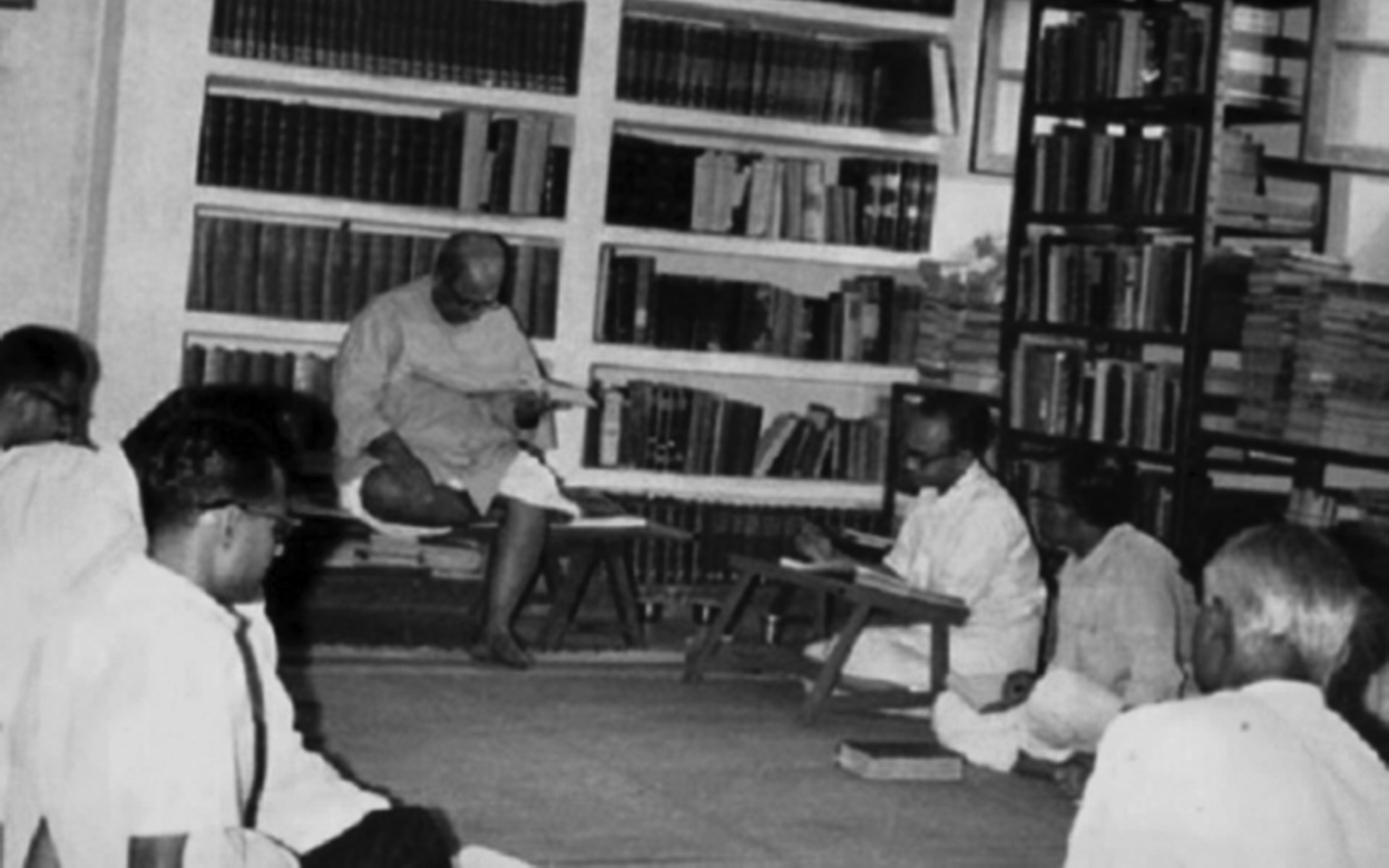
In pre-modern India, ‘Sāhitī-samarāṅgaṇa-sārvabhauma’ was a title conferred upon people who contributed in equal measure to the fields of literature and warfare...
Dhvani, the power of suggestion, has been held as the most powerful poetic tool by Indian aestheticians. It is the chief instrument through which we achieve imp...
ಅನಪೇಕ್ಷಿತಗುರುವಚನಾ ಸರ್ವಾನ್ಗ್ರಂಥೀನ್ವಿಭೇದಯತಿ ಸಮ್ಯಕ್ |ಪ್ರಕಟಯತಿ ಪರರಹಸ್ಯಂ ವಿಮರ್ಶಕಶಕ್ತಿರ್ನಿಜಾ ಜಯತಿ || ಗುರೂಪದೇಶದ ಅಪೇಕ್ಷೆಯಿಲ್ಲದೆ ಕಗ್ಗಂಟಿನಂಥ ಎಲ್ಲ ತೊಡಕುಗಳನ್ನೂ ಸುಲಭವಾಗಿ ನಿವ...
A popular prayer from the Upanishads implores a movement from lies to truth, from darkness to brightness, and from death to eternal life (Brihadaranyaka Upanish...
Nilakantha Dikshita is one among the fine Sanskrit poets in whom we find a happy blend of erudition and creativity. He lived during a time when natural expressi...
A profile sketch in Kannada of Sri Sacchidanandendra Saraswati, a foremost proponent and sage of Advaita Vedanta.
A. R. Krishna Shastri, the great savant of Kannada literature, once took a young boy to meet D. V. Gundappa (DVG). The boy, by then, had some articles to his cr...
Panini (पाणिनि) was a grammarian of ancient India. We do not know when and where he lived. 5th century BCE is a safe estimate. Today, the word ‘Panini’ connotes...
Kṣemendra Kṣemendra was a man of many talents who straddled the realms of śāstra and kāvya. Although he composed several works in both these genres, his attain...
(ಕನ್ನಡಸಾಹಿತ್ಯನವೋದಯದ ಮುಂಗಿರಣದಂತೆ ಮೂಡಿದುದು ಬಿ. ಎಂ. ಶ್ರೀಕಂಠಯ್ಯನವರ ‘ಇಂಗ್ಲಿಷ್ ಗೀತಗಳು’. ಈ ಕೃತಿ ಪ್ರಕಟವಾದ ತರುಣದಲ್ಲಿಯೇ ನವೋದಯದ ನಿರ್ಮಾತೃಗಳ ಪೈಕಿ ಪ್ರಮುಖರಾದ ಡಿ.ವಿ.ಜಿ. ಇದನ್ನು...
Parimalapadmagupta Parimalapadmagupta or Parimalagupta is the author of the historical poem, Navasāhasāṅkacarita. This work describes the attainments of Sindhu...
Trivikrama-bhaṭṭa Among the ornate campū compositions available in Sanskrit, Nala-campū authored by Trivikrama-bhaṭṭa is the oldest. The author had a penchant...
Bhallaṭa Bhallaṭa is best remembered as the poet who put the genre of anyokti (allegorical verses) on the map. He composed a century of verses and elevated thi...
Jinasena, the author of Pūrvapurāṇa, hailed from Karnataka. He composed thi...
Yaśovarmā, Bhavabhūti’s contemporary, is the author of the now-unavailable play, Rāmābhyudaya. Eminent aestheticians such as Ānandavardhana have held this work...
In the plays written by the great poet Bhavabhūti we find passages that not only reveal his personality and learning, but also his insights into literary aesthe...
Māgha In the second canto of Śiśupālavadha, the poet Māgha uses ideas from various sciences to support his arguments on polity. It is appropriate that he has i...
Bāṇabhaṭṭa Among the works written by the great poet Bāṇabhaṭṭa, it is only in Harṣacarita that we come across thoughts on literary aesthetics. Although the in...
Harṣavardhana has made a mark in the annals of Sanskrit literature with his three plays: Priyadarśikā, Ratnāvalī and Nāgānanda. Interestingly, the prologues of...
Bhāravi further refers to speech in the conversation between Indra and Arjuna: प्रसादरम्यमोजस्वि गरीयो लाघवान्वितम्। &...
After Kālidāsa, Bhāravi is perhaps the only poet who steered the ship of Sanskrit narrative poetry along a new route. Successive poets merely followed his lead....
Mallinātha has made some insightful observations in commenting on this verse. According to him, there were pictures in the mansion of various episodes from the...
The first relates to the word sampṛktau. The poet has preferred the rather rare word sampṛkti to the more common saṃyukti. Let us understand the nuances of thes...
Über-human and sub-human characters do not produce rasa unless they are ‘humanized’ – this is a fundamental tenet of aesthetics. A great poet knows from experie...
Let us proceed to the sixth act of Abhijñānaśākuntala. Duṣyanta has made a painting of Śakuntalā. The vidūṣaka takes one look at it and exclaims: “Madhurāvasthā...
Abhijñānaśākuntala is one of the ripest fruits of Kālidāsa’s mature genius. The poet makes a candid confession in the prologue of this play: आ परितोषाद्...
Kauśikī’s words of praise upon seeing Mālavikā perform are noteworthy. Her response is in the form of a verse, whose second half provides incredible insights in...
Unless poetry caters to people with varying tastes, it will not find a strong footing. It naturally follows that the poet should know the ways of the world well...
Let us have a look at the dialogues before and after this verse. A minor character expresses concern that Kālidāsa might lose face if his play is performed disr...
After introducing the major characters, Śūdraka has gone on to describe the...
Aśvaghoṣa clearly states that his work is principally a scripture. It is structured as a poem, yes, but that is only a veneer, a convenient pretence. Neverthele...
Modern literary theory usually insists that a poet should not come in the way of the natural development of events and characters. If he gets personally involve...
At the outset of the Mahābhārata Vyāsa outlines its literary qualities that...
In the next verse Vyāsa describes a defining trait of great poets. He intends this as a lodestar of sorts of his work: इतिहासप्रदीपेन मोहावरणघातिना। लोकगर...
In these verses Vyāsa has succinctly described the central focus of his poem and the nature of its characters. This is the way of great poets: they present the...
Rāma savoured the recital amid a large group of literary aficionados: sa cāpi rāmaḥ pariṣadgataḥ (1.4.36). This is arguably the best way to appreciate art becau...
Vālmīki was absorbed in thoughts about his verse when Brahmā visited him: tadgatenaiva manasā vālmīkirdhyānamāsthitaḥ (1.2.28). He was tormented by the impropri...
Maharṣi Vālmīki The story narrated in the first four cantos of the Rāmāyaṇa is of great significance to the central concepts of the creative process: poet, poe...
Art appreciation begins with learned connoisseurs. Gaining breadth and vision with time, it develops into a well-structured system of aesthetics. Poets and arti...
Plague The Plague pandemic came to Mulbagal perhaps after all other places in the vicinity. When the news spread that Plague had broken out in Kolar and Bowri...
I have previously described the vaidikas[1], scholars, and connoisseurs of Mulbagal, in bits and pieces, in many series of articles. In the present essay I shal...
[अयं हि शतावधानिना आर्यगणेशेन कन्नडभाषया लिखितस्य कस्यचन लेखस्य सङ्क्षिप्तोऽनुवादः।] नैतत्तिरोहितं कलाभिज्ञानां यन् मोनालिसाया निगूढो मन्दहासः कश्चिदनेकेषां व्...
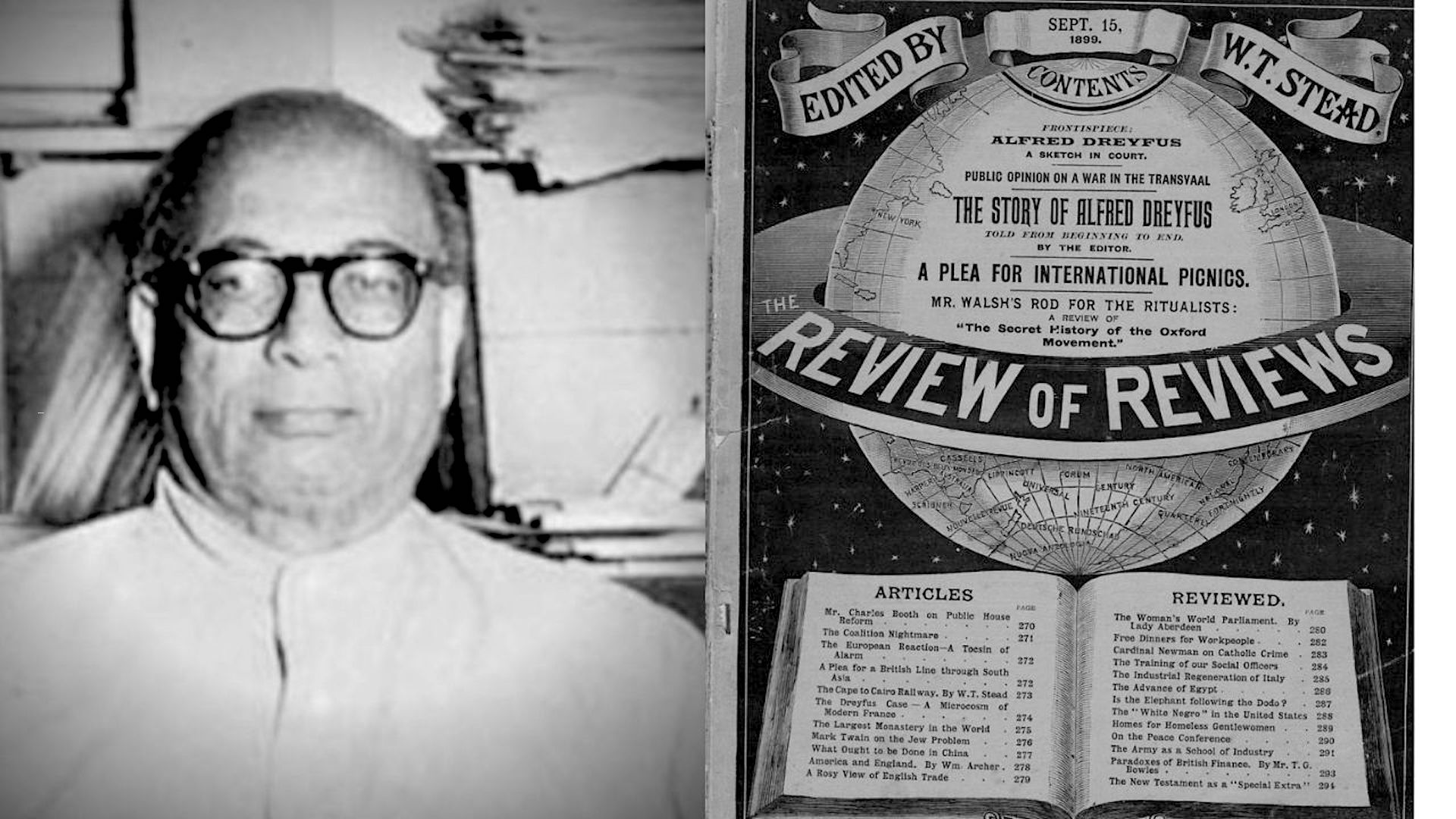
ಭಗವದ್ಗೀತೆಯ ಹೃದಯ – ಡಾ|| ಲಿಂಗೇಶ ಮಹಾಭಾಗವತರು [ಇದು ‘ದಿ ಇಂಡಿಯನ್ ರಿವ್ಯು ಆಫ್ ರಿವ್ಯೂಸ್’ ಮಾಸಪತ್ರಿಕೆಯ ‘ವಿಶಿಷ್ಟಗ್ರಂಥಗಳು’ ಎಂಬ ಅಂಕಣದಲ್ಲಿ ಡಾ|| ಡಿ. ವಿ. ಗುಂಡಪ್ಪನವರು ಆಂಗ್ಲಭಾಷೆಯಲ...
Tenderness Towards Students Lakṣmīnarasiṃha Śāstri was immensely fond of his students. Addressing those who were with him for a long time, he used to say: “Hav...
Śrī Navīnam Veṅkaṭeśa Śāstri had supplied several sets of logical refinement to Brahma-sūtras, which were not seen in extant commentaries thereon. Because...
“On one occasion Vidvān Anantakṛṣṇa Śāstri (a towering scholar of the league of Navīnam Veṅkaṭeśa Śāstri) began to pose a series of questions to him. Lakṣmīn...
Real-life Examples He used to give real-life examples to drive home the import of a scriptural tenet. This made his lessons entertaining—a feature common to le...
Disseminating Dharma Once this rigorous study of the scriptures was complete, Śrī Śāstri engaged himself primarily with delivering discourses on the Purāṇas. H...
Śri Ḍoṅgre Vīreśvara Śāstri who hailed from Maharashtra was Lakṣmīnarasiṃha Śāstri’s classmate during one of the batches. In later years, he served in various i...
In 1931, Lakṣmīnarasiṃha Śāstri joined the Pāṭhaśālā in this Maṭha for higher studies. He was then eighteen years of age. The background of this Pāṭhaśālā requi...
The following incident happened in the 1930s, when Śrī Candraśekhara-bhāratī Mahāsvāmi adorned the Śāradā-pīṭha at Sringeri. The Mahāsvāmi’s liking for and supp...
Art experience is essentially personal. It never demands external attestation. It differs from person to person, taking shape based on their attitude and saṃskā...
I am of the firm opinion that a devoted study of literature is ātmasaṃskāraka—it refines us from within. The poet reveals in a suggestive manner the extent of o...
Poetry concerns itself with the activities of our inner world. It paints in a motion picture...
तदयं सङ्क्षेपः—निर्विशिष्टक्लैब्यसन्त्रस्ते सति समाजे, तेन विशिष्टो व्यक्तिगुणः सुतरां नावगम्यते[1]। तादृशस्तु भित्तीतिवृत्तवियुक्तो वाग्व्यापारः सरस्वतीविडम्बन...
अस्यां दिशि सुकविना केचन दोषा यत्नेन वारणीयाः। यथा संविधाने निर्वैशिष्ट्यम्, इतिवृत्ते च निस्सङ्घर्षता। यद्यपि सङ्घर्ष इति परिभाषाविशेषः प्राच्यभारतीयकाव्यमीमां...
सम्प्रति भाविकाभिधानं किञ्चन साहित्यतत्त्वमवगाहामहे। भाविकमिति सम्भाविततत्त्वं दण्ड्यादिभिस्तु मौलिकमेवम्। इतिवृत्तश्रीकारणमतिलोकमनोज्ञवर्णनेङ्गितयुक्तम्॥७॥...
धीपारम्यं वर्णनगतमुक्तिचमत्कृतं हि चित्रं कृतकम्। हृद्भावशबलदुर्बलगतिस्तु वृत्ते विचित्रशैथिल्याय॥४॥ काव्यस्य हृद्भाव-चिद्भावसम्बद्धं पूर्वनिर्दिष्टमेव विषयं...
[लेखोऽयं शतावधानिन आर्यगणेशस्य कन्नडभाषानिबद्धशोधप्रबन्धस्य संस्कृतानुवादः (Ref: Ganesh, R. Hadanu-havaṇu. Mangalore: Prasaranga, Mangalore University, 2018. pp...
९ ऋत-सत्ययोरर्थभेदस्तैत्तिरीयब्राह्मणस्य वचनेनानेन स्पष्टीभवति। “ऋतं त्वा सत्येन परिषिञ्चामीति नायं परिषिञ्चति। सत्यं त्वर्तेन परिषिञ्चामीति प्रातः। अग्निर्वा...
४ ऋततत्त्वे त्रिचतुरर्थच्छायाविच्छित्तयः सन्तीव भान्ति— जगति विद्यमानः कश्चन क्रमो काचन व्यवस्था वा। अवश्यम्भावी कर्म-फलसम्बन्धः, ऋणि-ऋणसम्बन्धश्च। यतो ह...
१ सामान्यतया वदामः किल वयं लोके “इयमस्माकं प्रकृतिः,” “तत्तस्य नैजम्,” “इदं मे नैजम्” इत्यादीनि वचांसि। कोऽसौ प्रकृतिः? किं नाम नैजम्? आ जनेर्मानवेषु समन्विता भ...
Slaying of the rākṣasa Kabandha is one of the fascinating episodes in Ādikavi Vālmīki's Rāmāyaṇam. This oft-quoted episode appears at the end of the Araṇya-kāṇḍ...
संहितात्मकमिदं जगत् । संहिता नाम कश्चन समूहो यत्र नैकानि द्रव्याणि परस्परं संनिकृष्टानि। “परः संनिकर्षः संहिता” इतीदं पाणिनिमहर्षिभिः सन्दृब्धं सूत्रमत्रावधेयम्...
The etymological meaning of the word ‘sāhitya’ is sahitasya bhāvaḥ – the union of several entities. In popular usage, however, it has come to mean a literary wo...