Ekavyakti-Yakṣagāna: The Concept, Practice and Philosophy
Introduction It is natural for artistes to try their hand at bringing novelty to their art. It is rather common to see new experiments and novel presentations...
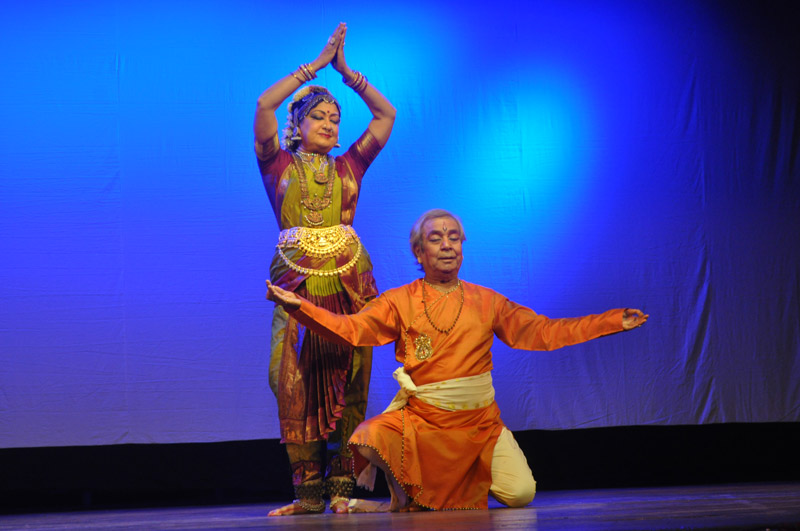
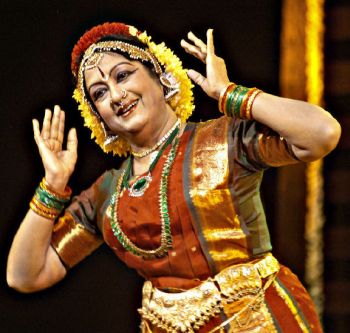
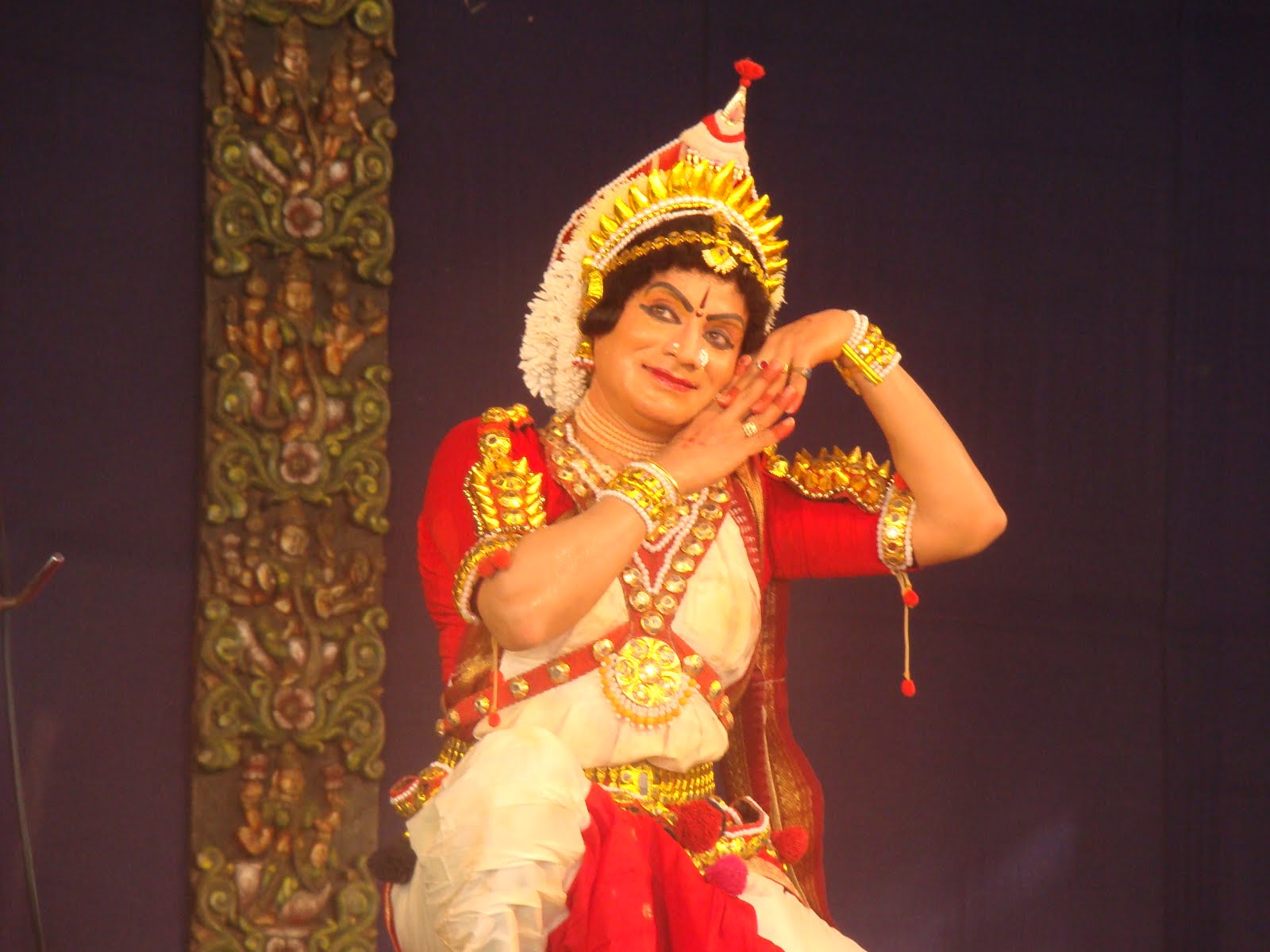
An interesting feature of Yakṣagāna is that movements are adapted as per the bhūmikā, i.e., character. The hèjjès, sthānakas, and hastas are a function of the n...
The āṅgikābhinaya of Yakṣagāna can be sub-divided into that of nāṭya and of nṛtya, which are nibaddha and anibaddha, respectively. We will limit our discussion...
The word abhinaya means to take things closer[1]. The word can also mean good character and making things one’s own. Abhinaya can be divided into four kin...
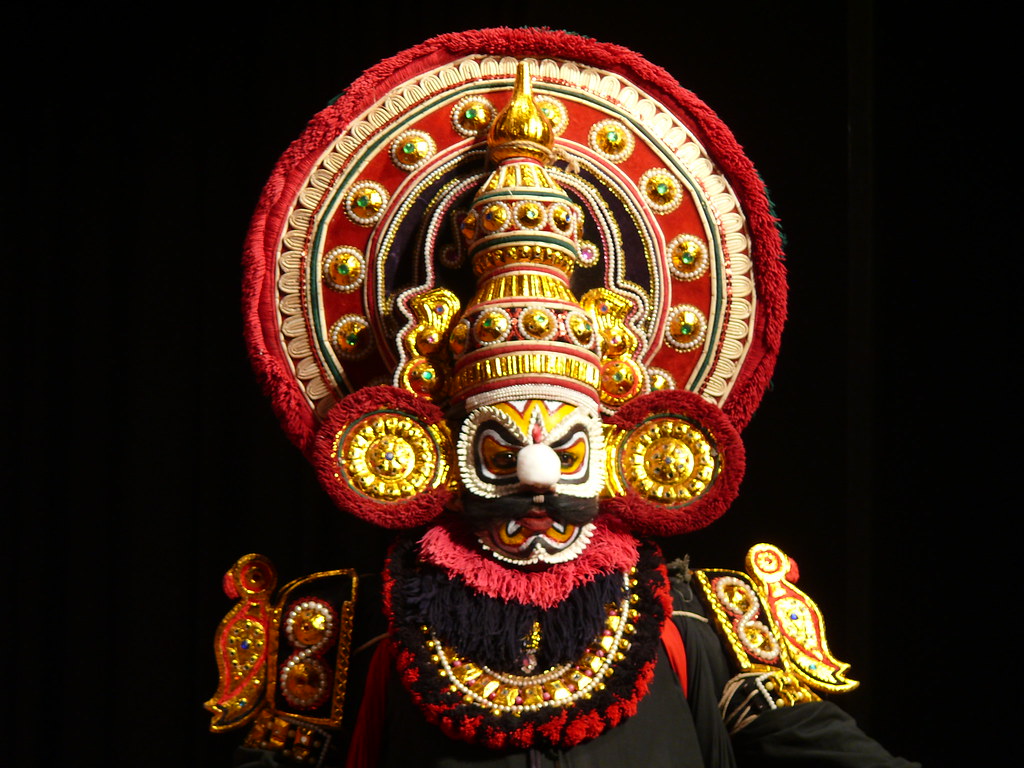
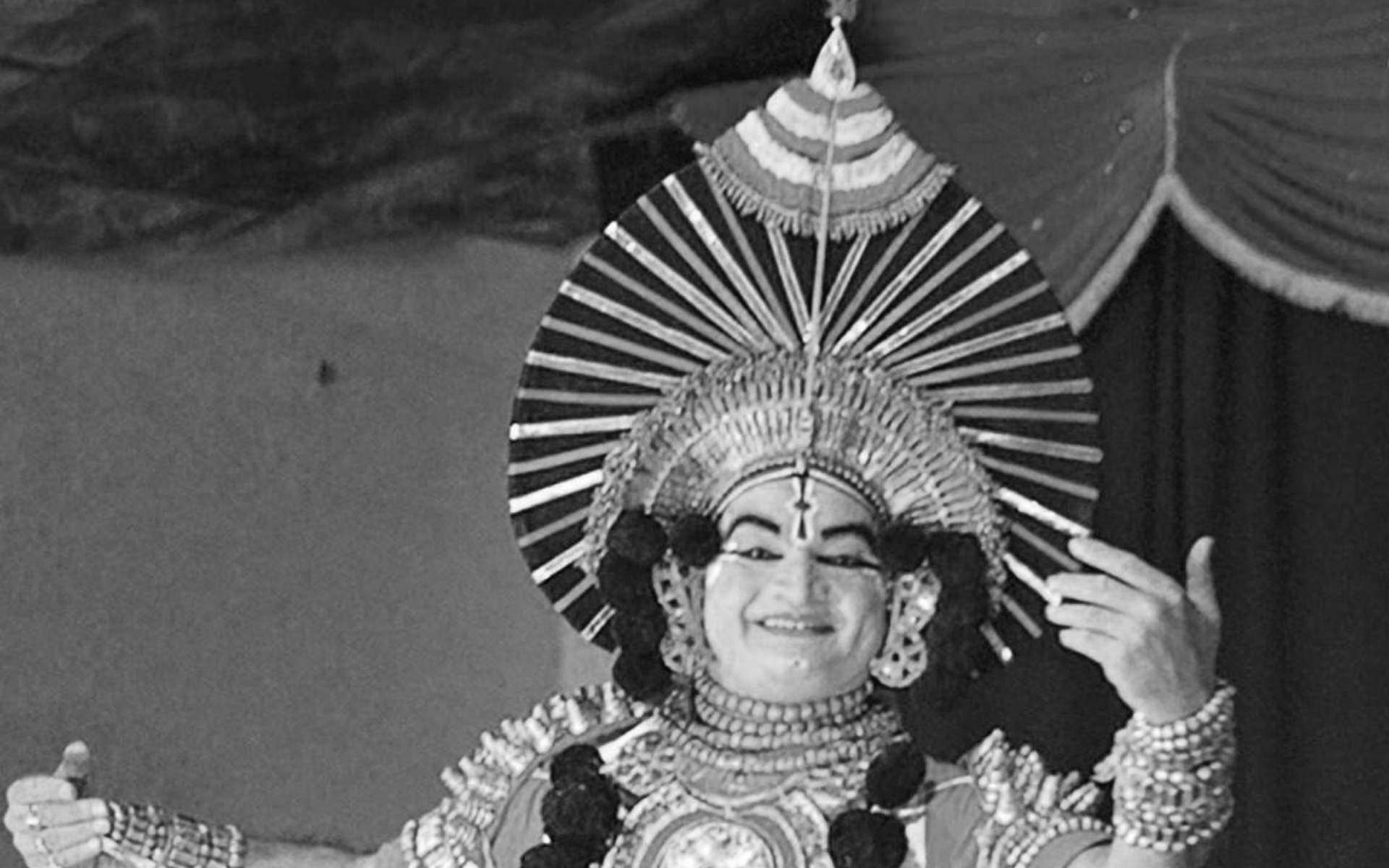
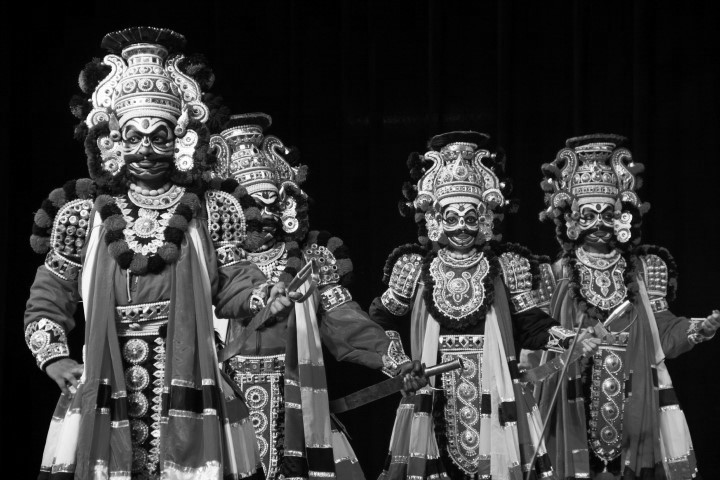
Most people are under the impression that the term Yakṣagāna is only a reference to the particular form of theatre art that is found in the Karāvaḻi-Malènāḍu re...
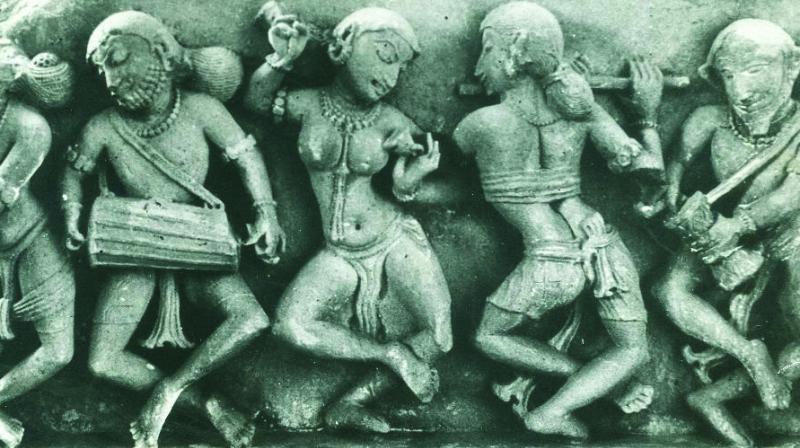
Another dimension that dance research can explore is to understand and analyse the correlation between music and dance. Music is essential for the successful st...
Today, physiology has developed as an independent branch of study. We must take its help in our analysis of movement vocabulary. Physiology can help us understa...
In Pāṭalīputra lived two brāhmaṇas - Yajñasoma and Kīrtisoma. Among the two, the younger one, Kīrtisoma, flourished through the business he set up with the weal...
There are many dimensions that research in classical Indian dance can explore and many paths it can choose to tread. This is, in fact, true from a global perspe...
ನಾಟ್ಯಶಾಸ್ತ್ರೀಯ ಶುಷ್ಕಾಕ್ಷರಗಳು - ಆಂಗಿಕದಲ್ಲಿ ತಾಳವ್ಯಾಪಾರ ಡಾ।। ಪದ್ಮಾಸುಬ್ರಹ್ಮಣ್ಯಂ ಅವರು ಈಚಿನ ಶತಮಾನಗಳಲ್ಲಿ ಲುಪ್ತಪ್ರಾಯವಾಗಿದ್ದಂತಹ ನಾಟ್ಯಶಾಸ್ತ್ರದಲ್ಲಿ ಉಲ್ಲೇಖಗೊಂಡಿರುವ...
ಭಾರತದ ಅಭಿಜಾತ-ನೃತ್ಯ ಮತ್ತು ನಾಟ್ಯ ಕಲೆಗಳಿಗೆ ಗೀತ-ವಾದ್ಯಗಳು ಅತ್ಯಮೂಲ್ಯವೂ ಅತ್ಯಾವಶ್ಯಕವೂ ಆದ ಆಲಂಬನಗಳಾಗಿವೆ[1]. ಕರ್ಣರಂಜಕವಾದ ಗಾನವಾದನಗಳೊಂದಿಗೆ ಮೂಡಿಬರುವಂತಹ ನೃತ್ಯ-ನಾಟ್ಯಗಳು ಮಾತ್ರವೇ...
3. Kāvya This has three stages too. 1. Manaḥ-prasāda – The nāndī-padyas in a kāvya, the description of city, country, mountains, forests, rivers, forts, palac...